


The Link Between Good Bacteria and Gum Health You Should Know
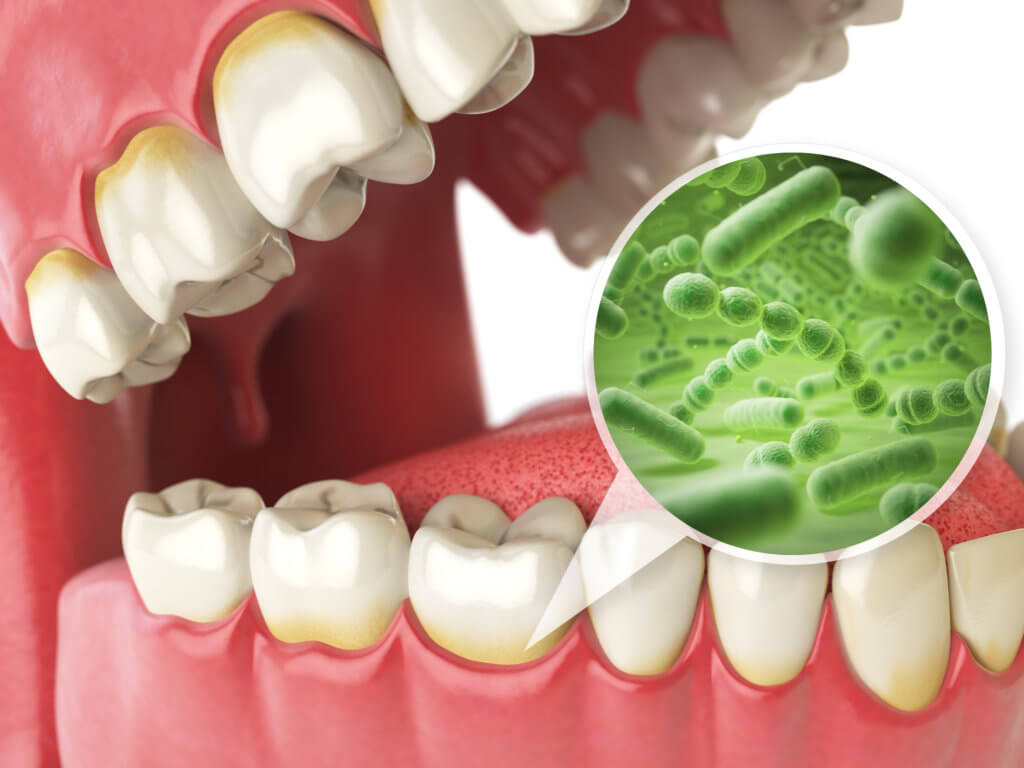
Hey everyone! Let's talk about something super important for your smile (and overall health!): the amazing connection between the good bacteria in your mouth and the health of your gums. We often hear about the bad bacteria that cause cavities and gum disease, but the good guys are just as crucial, if not more so! Think of it like a tiny ecosystem in your mouth â€" and we want a thriving, balanced one.Understanding the Oral Microbiome
Your mouth isn't just a place for chewing and talking; it's a bustling metropolis of microorganisms! We're talking millions (yes, millions!) of bacteria, fungi, viruses, and archaea â€" all living together in a complex community called the oral microbiome. It's a dynamic environment, constantly changing based on what you eat, drink, and even your stress levels. And believe it or not, most of these microbes are actually beneficial! They're not just passengers; they actively participate in maintaining oral health.
The Good, the Bad, and the Ugly
Let's break it down. We have the "good" bacteria, which contribute to a healthy mouth environment. Then, there are the "bad" bacteria, which can cause problems like gingivitis, periodontitis (gum disease), and cavities. And finally, there are the "opportunistic" bacteria, which are usually harmless but can become harmful if the balance is disrupted.
Think of it like a garden. You want plenty of beneficial plants (good bacteria) to flourish. If you neglect the garden (poor oral hygiene), weeds (bad bacteria) will take over. The key is maintaining a balance â€" a thriving garden, so to speak, where the good bacteria outnumber and outcompete the bad.
How Good Bacteria Protect Your Gums
So, how exactly do these tiny heroes protect our gums? It's a multi-pronged defense system:
- Competition for space and resources: Good bacteria occupy space and utilize nutrients, leaving less for the harmful bacteria to thrive. It's like a crowded apartment building â€" there's just not enough room for everyone!
- Production of antimicrobial substances: Some beneficial bacteria produce substances that directly inhibit the growth of harmful bacteria. This is like having a built-in security system in your mouth!
- Strengthening the gum tissue: Certain good bacteria can even strengthen the connection between your gums and teeth, making your gums more resistant to infection. Think of them as tiny construction workers, reinforcing the foundation of your teeth!
- Modulating the immune response: Good bacteria help regulate the immune response in your mouth, preventing an overreaction that can damage gum tissue. This is like having a well-trained security team that responds appropriately to threats, not overreacting and causing collateral damage.
Factors that Influence the Oral Microbiome
Maintaining a healthy balance of good bacteria isn't just about luck; it's about making conscious choices that support this crucial ecosystem. Several factors play a significant role:
- Diet: A diet rich in fruits, vegetables, and whole grains provides the good bacteria with the nutrients they need to flourish. Processed foods, sugary drinks, and excessive alcohol consumption, on the other hand, can disrupt the balance and favor the growth of harmful bacteria.
- Oral hygiene: Brushing and flossing are essential for removing food particles and plaque, which provide a breeding ground for harmful bacteria. Regular brushing and flossing help maintain a clean environment where good bacteria can thrive.
- Stress: Believe it or not, stress can significantly impact your oral microbiome. Chronic stress can alter the balance of bacteria, making you more susceptible to gum disease. Finding healthy ways to manage stress is crucial for oral health.
- Smoking: Smoking dramatically alters the composition of the oral microbiome, increasing the risk of gum disease and other oral health problems. Quitting smoking is one of the best things you can do for your overall health, including your gums.
- Medications: Some medications can have side effects that impact the oral microbiome, such as dry mouth which makes it easier for bad bacteria to grow. Talk to your doctor or dentist if you’re concerned.
- Genetics: While you can’t control your genes, they play a role in determining your susceptibility to gum disease. Knowing your family history can help you be more proactive in maintaining your oral health.
Boosting Your Good Bacteria: Practical Tips
You don't need to be a scientist to help your good bacteria thrive! Here are some practical steps you can take:
- Eat a balanced diet: Focus on whole, unprocessed foods. Fruits, vegetables, and whole grains are your friends!
- Practice excellent oral hygiene: Brush twice a day, floss daily, and use a fluoride mouthwash.
- Manage stress: Find healthy ways to cope with stress, such as exercise, yoga, or meditation.
- Consider probiotics: While research is still ongoing, some studies suggest that probiotics (live bacteria) might help improve oral health. Talk to your dentist before adding probiotics to your routine.
- See your dentist regularly: Regular checkups and professional cleanings are essential for maintaining a healthy oral microbiome.
Frequently Asked Questions
Q: Can I take probiotics to improve my gum health?
A: While some studies suggest probiotics may be beneficial, more research is needed. Talk to your dentist before starting any probiotic supplement, as they can interact with other medications or have potential side effects.
Q: How often should I see my dentist for gum health?
A: Most dentists recommend professional cleanings every six months, but this can vary depending on your individual needs.
Q: Is it possible to completely eliminate bad bacteria from my mouth?
A: No, it's not possible or even desirable to eliminate all bad bacteria. The goal is to maintain a healthy balance, where the good bacteria outnumber and outcompete the harmful ones.
Q: My gums bleed when I brush. Is this normal?
A: Bleeding gums are not normal and often indicate gingivitis. See your dentist immediately!
Q: What are the signs of gum disease?
A: Signs of gum disease include bleeding gums, red or swollen gums, gums that pull away from the teeth, persistent bad breath, and loose teeth. If you experience any of these symptoms, schedule an appointment with your dentist.
Taking care of your oral microbiome is an investment in your overall health. By understanding the role of good bacteria and making conscious choices to support their growth, you can significantly improve your gum health and maintain a beautiful, healthy smile for years to come!


No comments:
Post a Comment
Note: Only a member of this blog may post a comment.