Learn the best practices for caring for your teeth and gums, from brushing to diet, to help maintain optimal oral health every day.

How to Use Aloe Vera and Honey to Soothe Gum Infection

How to Use Aloe Vera and Honey to Soothe Gum Infection

Harnessing the Natural Power of Aloe Vera and Honey for Gum Infection Relief

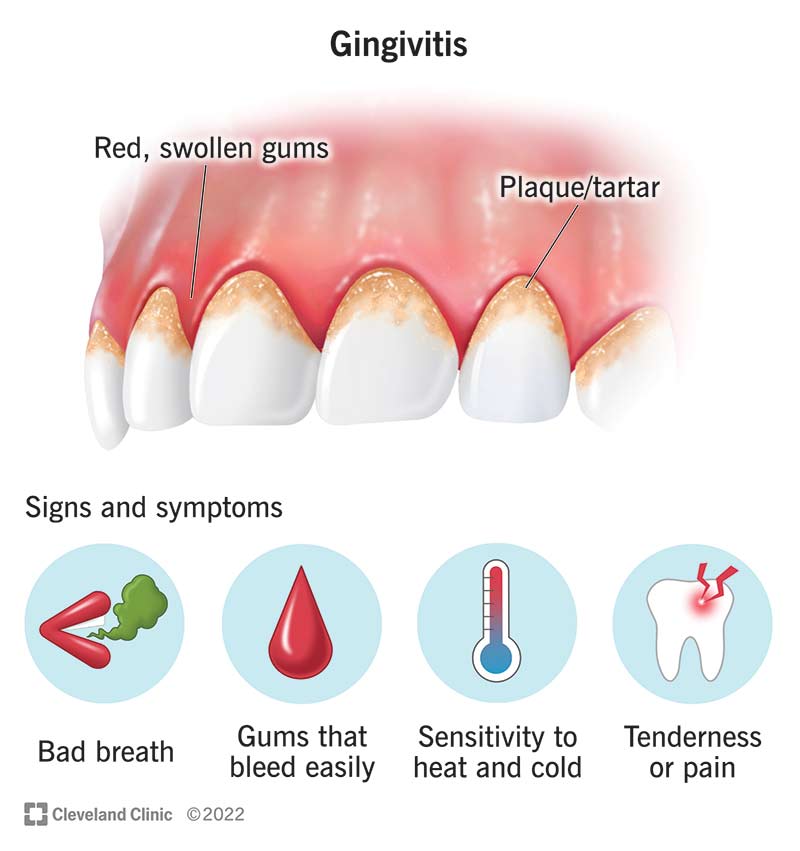
Gum infections, or gingivitis, are common inflammatory conditions affecting the gums. Characterized by redness, swelling, bleeding, and often accompanied by pain and discomfort, these infections can progress to more serious periodontal diseases if left untreated. While conventional treatments exist, many individuals seek natural remedies to alleviate symptoms and promote healing. Aloe vera and honey, both possessing potent antimicrobial and anti-inflammatory properties, have garnered attention for their potential in soothing gum infections. This article explores the individual benefits of these natural agents, their combined efficacy, and provides a detailed guide on their safe and effective application for gum infection relief.

Understanding Gum Infections: A Comprehensive Overview

Gingivitis, the initial stage of gum disease, arises primarily from the accumulation of plaque – a sticky film of bacteria that adheres to the teeth. Neglecting proper oral hygiene allows plaque to harden into tartar, which irritates the gums, leading to inflammation. The inflammatory response causes redness, swelling, and bleeding, often accompanied by bad breath (halitosis). If left untreated, gingivitis can progress to periodontitis, a more severe condition characterized by bone and tissue loss, potentially resulting in tooth loss.

Risk Factors for Gum Infections

Several factors increase the risk of developing gum infections. These include:

  • Poor oral hygiene: Inadequate brushing and flossing allow plaque to accumulate.
  • Smoking: Smoking impairs blood flow to the gums, hindering healing and increasing susceptibility to infection.
  • Diabetes: Uncontrolled blood sugar levels can weaken the immune system, making individuals more vulnerable to gum infections.
  • Genetic predisposition: Some individuals are genetically predisposed to developing gum disease.
  • Hormonal changes: Fluctuations in hormone levels, particularly during pregnancy or menopause, can affect gum health.
  • Certain medications: Some medications, such as immunosuppressants, can increase the risk of gum infections.
  • Stress: Chronic stress can weaken the immune system and contribute to gum disease.

The Therapeutic Properties of Aloe Vera

Aloe vera, a succulent plant known for its medicinal properties, has been used for centuries to treat various ailments. Its gel contains numerous bioactive compounds, including polysaccharides, enzymes, vitamins, and minerals, contributing to its therapeutic effects. Specifically, regarding gum infections, aloe vera exhibits:

Anti-inflammatory Action

Aloe vera's anti-inflammatory properties help reduce swelling and redness associated with gum inflammation. Compounds like acemannan within the gel are believed to inhibit the production of inflammatory mediators, thereby alleviating pain and discomfort.

Antimicrobial Activity

Aloe vera possesses antimicrobial activity against a range of bacteria, including those implicated in gum infections. This helps to control the bacterial load in the mouth, contributing to the healing process.

Wound Healing Properties

Aloe vera accelerates wound healing by stimulating cell proliferation and collagen synthesis. This property is beneficial in promoting the repair of damaged gum tissues.

The Healing Power of Honey

Honey, a natural sweetener produced by bees, boasts a long history of medicinal use. Its therapeutic properties stem from its unique composition, rich in sugars, enzymes, and antioxidants. In the context of gum infections, honey's benefits include:

Antimicrobial Effects

Honey's potent antimicrobial activity is attributed to its high sugar concentration, which creates a hyperosmotic environment, inhibiting bacterial growth. Moreover, certain types of honey contain hydrogen peroxide, a powerful antimicrobial agent.

Anti-inflammatory Properties

Honey's anti-inflammatory properties help reduce the swelling and redness associated with gum infections. It achieves this by modulating the inflammatory response and reducing the production of inflammatory mediators.

Wound Healing Capabilities

Honey promotes wound healing by stimulating tissue regeneration and reducing inflammation. This property is particularly relevant in addressing the tissue damage caused by gum infections.

Synergistic Effects of Aloe Vera and Honey for Gum Infection Relief

The combined application of aloe vera and honey synergistically enhances their individual therapeutic benefits. The antimicrobial properties of both agents work in concert to suppress the growth of harmful bacteria, while their anti-inflammatory actions alleviate swelling and pain. Furthermore, their wound-healing properties promote the regeneration of damaged gum tissues, leading to faster recovery.

Practical Application: A Step-by-Step Guide

To effectively utilize aloe vera and honey for gum infection relief, follow these steps:

  1. Preparation: Obtain pure, unprocessed aloe vera gel (ideally from an aloe vera plant) and raw, unpasteurized honey (Manuka honey is particularly effective due to its high antimicrobial properties).
  2. Cleaning: Thoroughly clean your teeth and gums using a soft-bristled toothbrush and fluoride toothpaste. Gently floss to remove any food particles or plaque.
  3. Application: Mix equal parts of aloe vera gel and honey to create a paste. Using a clean finger or cotton swab, gently apply the paste directly to the affected gums. Ensure even coverage of the inflamed areas.
  4. Massage: Gently massage the paste into the gums for about 2-3 minutes to enhance absorption and promote blood circulation.
  5. Rinse: Rinse your mouth thoroughly with warm water or a mild salt-water solution to remove any excess paste.
  6. Frequency: Repeat this treatment two to three times daily, preferably after brushing and flossing.

Important Considerations and Cautions

While aloe vera and honey are generally safe, certain precautions should be considered:

  • Allergies: Conduct a patch test before applying the mixture to a larger area to check for any allergic reactions.
  • Open wounds: Avoid applying the mixture to open wounds or bleeding gums. Consult a dentist if you have significant bleeding.
  • Underlying conditions: Individuals with underlying health conditions or those taking medication should consult their physician or dentist before using this remedy.
  • Not a replacement for professional care: This natural remedy should be considered a supplementary treatment, not a replacement for professional dental care. Regular dental checkups and professional cleaning are crucial for maintaining optimal oral hygiene and preventing gum disease.

In conclusion, the combined application of aloe vera and honey presents a promising natural approach to soothing gum infections. Their inherent antimicrobial and anti-inflammatory properties, coupled with their wound-healing capabilities, offer a gentle yet effective way to alleviate symptoms and promote healing. However, it's crucial to remember that this natural remedy should be used in conjunction with proper oral hygiene practices and professional dental care for optimal results and the prevention of more severe gum diseases.

Share:

How to Strengthen Weak Gums Naturally and Avoid Gum Disease

How to Strengthen Weak Gums Naturally and Avoid Gum Disease

Strengthening Weak Gums Naturally and Avoiding Gum Disease

Gum disease, or periodontal disease, is a serious concern affecting millions. It silently progresses, causing inflammation, gum recession, and ultimately, tooth loss if left untreated. While professional dental care is crucial, you can significantly bolster your gum health naturally, preventing problems before they arise or slowing their progression. This article empowers you with practical strategies for achieving stronger, healthier gums.

Understanding the Root of the Problem

Weak gums are often a symptom of underlying inflammation. Poor oral hygiene allows plaque, a sticky film of bacteria, to accumulate along the gumline. This plaque produces toxins that irritate the gums, leading to gingivitis (early-stage gum disease). If left unchecked, gingivitis can advance to periodontitis, a more severe form where the infection attacks the supporting structures of your teeth. Understanding this process allows you to target prevention and treatment effectively. The good news is that many natural methods can combat this inflammation and strengthen your gum tissues.

Natural Ways to Strengthen Your Gums

The Power of Proper Brushing and Flossing

This might seem obvious, but it's the cornerstone of gum health. Brush your teeth twice daily using a soft-bristled toothbrush and fluoride toothpaste. Pay particular attention to the gumline, using gentle, circular motions. Floss at least once a day to remove plaque and food particles lodged between teeth where your toothbrush can't reach. Remember, thorough cleaning prevents plaque buildup, the primary culprit behind gum inflammation.

Harnessing the Benefits of Nutritional Powerhouses

Your diet directly impacts your gum health. Consume foods rich in vitamin C, a powerful antioxidant that supports collagen production – crucial for healthy gum tissues. Excellent sources include citrus fruits, berries, and leafy greens. Vitamin K also plays a vital role in blood clotting, essential for gum tissue repair. Find it in leafy greens like kale and spinach, and broccoli. Incorporate foods rich in these vitamins into your daily meals to nourish your gums from within.

The Anti-Inflammatory Magic of Herbs and Spices

Many herbs and spices possess potent anti-inflammatory properties that can benefit gum health. Green tea, for instance, contains antioxidants that fight inflammation and bacteria. Turmeric, known for its curcumin content, boasts similar anti-inflammatory effects. You can incorporate these into your diet or consider using them as mouthwashes (after consulting with your dentist). Remember to always consult your doctor or dentist before using herbal remedies, especially if you have pre-existing medical conditions.

Therapeutic Rinses: A Natural Approach

Natural mouthwashes can supplement your regular brushing and flossing routine. A simple saltwater rinse can help reduce inflammation and remove food particles. Alternatively, you can prepare a rinse using diluted tea tree oil (remember to dilute it significantly, as it's potent). Always consult your dentist before trying any new mouthwash, as some natural remedies might not be suitable for everyone.

Seeking Professional Help: When to See a Dentist

While natural remedies offer valuable support, they are not a replacement for professional dental care. Regular dental checkups are essential for early detection and treatment of gum disease. If you notice any signs of gum disease, such as bleeding gums, redness, swelling, or persistent bad breath, schedule an appointment with your dentist immediately. Early intervention significantly increases the chances of successful treatment and prevents more severe complications.

By combining a proactive approach to oral hygiene with natural remedies and regular dental checkups, you can significantly strengthen your gums, prevent gum disease, and maintain a healthy, confident smile for years to come.

Share:

Top Probiotics for Supporting a Healthy Oral Microbiome

Top Probiotics for Supporting a Healthy Oral Microbiome

Top Probiotics for Supporting a Healthy Oral Microbiome

Maintaining a balanced oral microbiome is crucial for overall oral health and, increasingly, recognized for its impact on systemic well-being. A dysbiotic oral microbiome, characterized by an imbalance of beneficial and harmful bacteria, is implicated in various oral diseases, including gingivitis, periodontitis, and caries. Probiotics, live microorganisms that confer health benefits when administered in adequate amounts, offer a promising avenue for modulating the oral microbiome and promoting oral health. This article reviews several leading probiotic strains with demonstrated efficacy in supporting a healthy oral microbiome.

Understanding the Oral Microbiome and its Dysbiosis

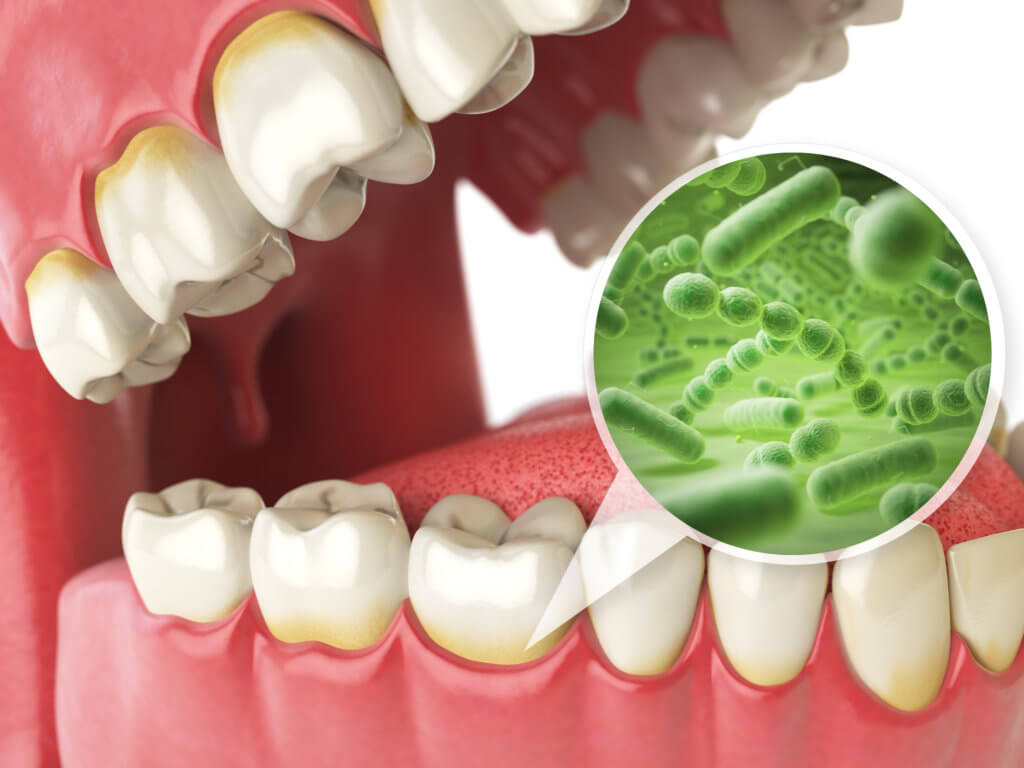
The human oral cavity harbors a complex and diverse ecosystem of microorganisms, including bacteria, archaea, fungi, and viruses. This intricate community, collectively known as the oral microbiome, plays a vital role in maintaining oral health. A balanced microbiome, characterized by a diverse range of beneficial bacteria, inhibits the growth of pathogenic species and prevents the development of oral diseases. However, various factors can disrupt this delicate equilibrium, leading to dysbiosis.

Factors Contributing to Oral Dysbiosis

Several factors can contribute to the disruption of the oral microbiome and the subsequent development of oral diseases. These factors include:

  • Poor oral hygiene practices: Inadequate brushing and flossing allow the accumulation of plaque, a biofilm composed of bacteria, which promotes the growth of pathogenic species.
  • Dietary habits: A diet high in refined sugars and processed foods provides readily available substrates for the growth of cariogenic bacteria, leading to tooth decay.
  • Smoking and tobacco use: Tobacco products have been shown to alter the composition of the oral microbiome, increasing the risk of periodontal disease and oral cancers.
  • Systemic diseases: Certain systemic conditions, such as diabetes and HIV, can compromise the immune system and increase susceptibility to oral infections.
  • Genetic predisposition: Individual genetic variations can influence the susceptibility to oral diseases and the composition of the oral microbiome.
  • Antibiotic use: Broad-spectrum antibiotics can disrupt the balance of the oral microbiome, leading to the overgrowth of opportunistic pathogens.

Dysbiosis of the oral microbiome is associated with a wide range of oral diseases. Periodontitis, a chronic inflammatory disease affecting the supporting structures of the teeth, is a prime example. The shift towards a pathogenic microbial community results in inflammation, bone loss, and ultimately, tooth loss. Similarly, caries, or tooth decay, is caused by the accumulation of acid-producing bacteria, leading to the demineralization of tooth enamel.

Probiotics and their Role in Oral Health

Probiotics have emerged as a promising strategy for modulating the oral microbiome and preventing or treating oral diseases. By introducing beneficial bacteria into the oral cavity, probiotics can compete with pathogens for resources, produce antimicrobial substances, and modulate the host immune response. This can lead to a more balanced microbiome and improved oral health outcomes.

Mechanisms of Action of Probiotics in the Oral Cavity

The beneficial effects of probiotics on the oral microbiome are mediated through various mechanisms:

  • Competition for adhesion sites: Probiotics compete with pathogenic bacteria for binding sites on the tooth surface and oral mucosal tissues, preventing colonization by harmful species.
  • Production of antimicrobial substances: Some probiotics produce bacteriocins and other antimicrobial compounds that inhibit the growth of pathogenic bacteria.
  • Modulation of the immune response: Probiotics can modulate the host immune response, reducing inflammation and promoting tissue repair.
  • Production of enzymes: Certain probiotic strains produce enzymes that can break down harmful substances in the oral cavity, such as hydrogen sulfide.
  • Enhancement of saliva production: Some studies suggest that probiotics may stimulate saliva production, contributing to improved oral hygiene and pathogen clearance.

Top Probiotic Strains for Oral Health

Several probiotic strains have shown promising results in supporting a healthy oral microbiome. While research is ongoing, some strains have garnered significant attention for their potential benefits:

Lactobacillus species

Lactobacillus species, such as Lactobacillus rhamnosus GG (LGG), Lactobacillus casei, and Lactobacillus salivarius, are among the most commonly studied probiotics for oral health. These strains have demonstrated antimicrobial activity against various periodontal pathogens and have shown potential in reducing gingival inflammation and plaque formation. Studies have suggested that they can contribute to improved periodontal health parameters.

Streptococcus species

Certain Streptococcus strains, particularly Streptococcus salivarius K12, have demonstrated promising effects on oral health. S. salivarius K12 is a naturally occurring inhabitant of the oral cavity and has been shown to inhibit the growth of pathogenic bacteria, such as Streptococcus mutans, a key contributor to dental caries. It has shown potential in reducing caries formation and improving overall oral hygiene.

Weissella species

Weissella cibaria is another probiotic strain that has shown potential benefits for oral health. Studies suggest that it may contribute to the reduction of plaque formation and gingival inflammation. Further research is needed to fully elucidate its mechanisms of action and clinical efficacy.

Bifidobacterium species

While primarily known for their role in gut health, some Bifidobacterium species have also shown potential benefits in the oral cavity. Their ability to modulate the immune response and produce antimicrobial substances suggests their potential role in managing oral inflammation and infection. However, more research is needed to confirm these effects in the oral microbiome context.

Delivery Methods and Considerations

Probiotics for oral health are typically delivered through various methods, including chewing gums, lozenges, mouthwashes, and pastes. The choice of delivery method can influence the efficacy and bioavailability of the probiotic strains. Further research is required to determine the optimal delivery system for maximizing the benefits of probiotics for oral health. It's important to note that probiotics are not a replacement for good oral hygiene practices. Regular brushing, flossing, and professional dental cleanings remain crucial for maintaining optimal oral health. Individual responses to probiotics can vary. Consulting a dentist or healthcare professional before incorporating probiotics into your oral care routine is advisable, especially if you have pre-existing medical conditions or are taking other medications.

Conclusion: The use of probiotics presents a promising strategy for supporting a healthy oral microbiome and preventing or managing oral diseases. While significant progress has been made, further research is crucial to fully understand the efficacy of different probiotic strains, optimal delivery methods, and their long-term effects on the oral microbiome and overall oral health. Integrating probiotic interventions with established oral hygiene practices offers a holistic approach towards maintaining optimal oral health and preventing oral diseases.

Share:

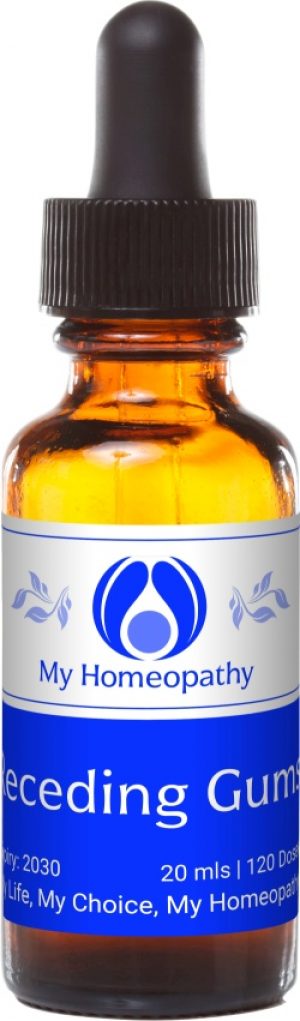
How to Treat Receding Gums Using Homeopathy

How to Treat Receding Gums Using Homeopathy

Can Homeopathy Treat Receding Gums? A Detailed Look

Receding gums, a prevalent dental issue, leave roots exposed, increasing sensitivity and vulnerability to infections. While conventional dentistry offers various treatments, many explore alternative approaches like homeopathy. This article explores the potential of homeopathy in addressing receding gums, emphasizing that it should never replace professional dental care. We will delve into the homeopathic approach, highlight its limitations, and stress the importance of consulting a dentist for a proper diagnosis and treatment plan.

Understanding Receding Gums and Their Causes

Receding gums, or gingival recession, occurs when the gum tissue pulls back from the teeth, exposing more of the tooth structure. This exposes the roots, making them susceptible to decay, sensitivity to hot and cold, and potential infection. Several factors contribute to receding gums, including:

  • Aggressive brushing
  • Gum disease (periodontitis)
  • Genetics
  • Hormonal changes
  • Smoking
  • Misaligned teeth
  • Certain medical conditions

Early detection is key to managing receding gums effectively. Ignoring the problem can lead to significant tooth loss. A dentist can accurately diagnose the cause and recommend the appropriate treatment, which may involve scaling and root planing, gum grafts, or other surgical interventions.

The Homeopathic Approach to Receding Gums

Homeopathy operates on the principle of "like cures like," using highly diluted substances to stimulate the body's healing response. In the case of receding gums, a homeopath would assess the individual's overall health and specific symptoms to select the most appropriate remedy. This assessment considers not only the gum condition but also factors like the patient's temperament, general health, and other symptoms. The chosen remedies might aim to reduce inflammation, improve gum health, or address underlying systemic factors contributing to the condition.

Common Homeopathic Remedies for Gum Issues

Several homeopathic remedies are often suggested for gum problems, including but not limited to:

  • Mercurius solubilis: This remedy is often considered for gum inflammation, bleeding, and sensitivity to touch.
  • Causticum: This might be chosen for receding gums with a history of inflammation and sensitivity to cold.
  • Phosphorus: This remedy is sometimes used for bleeding gums and an overall weakness in the gums.

It is crucial to understand that the selection and dosage of these remedies should be done only by a qualified and experienced homeopathic practitioner. Self-treating can be risky and potentially delay appropriate dental care.

Limitations and Cautions of Homeopathy for Receding Gums

While homeopathy may offer supportive care for some individuals, it is essential to acknowledge its limitations. There is a lack of robust scientific evidence to support the efficacy of homeopathy in treating receding gums. Furthermore, homeopathy cannot address underlying structural problems or infections that contribute to gum recession. Relying solely on homeopathy could delay necessary dental interventions, potentially leading to more extensive damage and tooth loss.

Always consult a dentist for diagnosis and treatment of receding gums. Homeopathy may be considered as a complementary therapy, but never as a replacement for conventional dental care. Early and appropriate dental intervention is crucial to preserving oral health and preventing further complications.

This information is for educational purposes only and does not constitute medical advice. Always seek professional guidance from both a dentist and a qualified healthcare professional before starting any treatment.

Share:

Top Natural Ingredients for Holistic Dental Care and Health

Top Natural Ingredients for Holistic Dental Care and Health

Unlocking a Naturally Radiant Smile: Top Natural Ingredients for Holistic Dental Care

For centuries, nature has provided a treasure trove of remedies, and oral health is no exception. While modern dentistry offers incredible advancements, many are turning to holistic approaches, integrating natural ingredients for healthier teeth and gums. This exploration dives into some of the most effective natural allies in your quest for a radiant, naturally healthy smile. We'll uncover their properties and how you can safely incorporate them into your daily routine.

The Power of Essential Oils

Essential oils, distilled from various plants, possess potent antimicrobial and anti-inflammatory properties, making them valuable tools in combating oral bacteria and soothing irritated gums. However, it's crucial to use them correctly and dilute them appropriately, as undiluted essential oils can irritate sensitive tissues. Always consult with your dentist or a qualified aromatherapist before incorporating essential oils into your oral care regimen.

Tea Tree Oil: A Natural Antiseptic

Tea tree oil boasts powerful antibacterial and antifungal properties, effectively targeting harmful bacteria responsible for gingivitis and plaque buildup. Many studies have shown its effectiveness in reducing inflammation and promoting gum health. You can find it in various mouthwashes or add a drop (diluted properly!) to your toothpaste for enhanced antibacterial action. Remember, always dilute it before using it directly in your mouth.

Clove Oil: Soothing and Anti-Inflammatory

Clove oil, rich in eugenol, is renowned for its analgesic and antiseptic qualities. It effectively numbs toothaches and reduces inflammation associated with gum disease. Its potent aroma also provides a pleasant, refreshing feeling. A single drop, carefully diluted, can offer immediate relief from tooth sensitivity and discomfort. It's best used sparingly, however, as it can be strong.

The Protective Shield of Herbs and Extracts

Nature provides a variety of herbs and plant extracts known for their ability to promote oral health and strengthen teeth. These ingredients offer a gentler, more holistic alternative to harsh chemical-based products.

Aloe Vera: Soothing and Healing

Aloe vera gel is a natural wonder, renowned for its soothing and healing properties. Its anti-inflammatory actions make it particularly beneficial for treating canker sores, gingivitis, and other oral irritations. Apply a small amount of pure aloe vera gel directly to affected areas for quick relief.

Myrrh: Ancient Remedy for Gum Health

For centuries, myrrh has been valued for its antiseptic and anti-inflammatory properties, offering support in maintaining healthy gums. It is often found in natural mouthwashes and toothpastes designed to promote gum health and reduce plaque formation. It's best to source high-quality myrrh extracts for optimal effects.

The Strengthening Power of Minerals

Maintaining strong teeth requires an adequate supply of essential minerals. While a balanced diet is crucial, incorporating certain minerals topically can further enhance dental health.

Calcium and Phosphorus: Building Blocks of Strong Teeth

Calcium and phosphorus are the fundamental building blocks of strong tooth enamel. While dietary intake is paramount, using a toothpaste containing these minerals can offer additional reinforcement and help remineralize the enamel, protecting it against decay.

Important Considerations

While natural ingredients offer a promising path to better oral hygiene, it's crucial to remember that they are not a replacement for regular dental checkups and professional cleaning. Natural remedies can complement, but not substitute, professional dental care. If you experience persistent dental issues, consult your dentist immediately.

Always conduct a patch test before applying any new natural ingredient to your mouth, especially essential oils, to ensure you don't have an allergic reaction. Begin with diluted amounts and gradually increase concentration as tolerated.

By embracing these natural ingredients alongside a commitment to good oral hygiene practices, you pave the way for a naturally radiant, healthy smile that will shine for years to come.

Share:

How Oral Probiotics Support Strong and Healthy Gums

How Oral Probiotics Support Strong and Healthy Gums

Unlocking the Power of Oral Probiotics for Healthy Gums

Hey there! Let's talk about something super important for your overall health – your gums! We all know that healthy gums are crucial for a dazzling smile, but did you know they play a much bigger role than just aesthetics? Your gum health is directly linked to your overall well-being. And today, we're diving into a fascinating area that can significantly improve your gum health: oral probiotics.

What are Oral Probiotics, Anyway?

Think of probiotics as the "good guys" in your mouth. They're live microorganisms, mainly bacteria, that, when consumed in adequate amounts, confer a health benefit. You've probably heard of probiotics in yogurt and other foods for gut health, right? Well, it turns out, the same principle applies to your mouth! These beneficial bacteria help maintain a balanced ecosystem in your mouth, preventing the overgrowth of harmful bacteria that can lead to gum disease.

The Oral Microbiome: A Tiny Ecosystem

Your mouth is teeming with life – millions of bacteria, fungi, and viruses. This diverse community is called your oral microbiome, and it's a delicate balance. Just like a garden needs a variety of plants and beneficial insects to thrive, your mouth needs a balance of good and bad bacteria. When the bad bacteria outnumber the good, trouble starts brewing.

How Oral Probiotics Help Tip the Scales

Oral probiotics work by several mechanisms:
  • Competition for space and nutrients: Good bacteria compete with harmful bacteria for space and resources on your teeth and gums. By occupying this space, they limit the harmful bacteria's ability to colonize and cause problems.
  • Production of antimicrobial substances: Some oral probiotics produce substances that directly inhibit the growth of harmful bacteria. Think of it as a natural defense system.
  • Strengthening the gum tissue: Studies suggest that certain probiotics can improve the health and integrity of gum tissue, making it more resistant to inflammation and infection.
  • Boosting the immune response: Probiotics can modulate your immune response, helping your body fight off infection more effectively.

Gum Disease: A Serious Issue

Before we delve deeper into the benefits of oral probiotics, let's briefly discuss gum disease. It's a common condition that affects millions, and it's not something to take lightly. Gum disease, or periodontal disease, ranges in severity from gingivitis (inflammation of the gums) to periodontitis (infection that damages the soft tissues and bone that support your teeth).

The Dangers of Untreated Gum Disease

Untreated gum disease can lead to:
  • Tooth loss: Severe periodontitis can destroy the bone and tissues that hold your teeth in place, leading to tooth loss.
  • Bad breath (halitosis): The bacteria associated with gum disease produce unpleasant odors.
  • Increased risk of heart disease: Studies have linked gum disease to an increased risk of heart disease, stroke, and other systemic illnesses.
  • Diabetes complications: Gum disease can worsen diabetes control, making it more difficult to manage blood sugar levels.

Oral Probiotics: Your Gum Health Allies

Now, let's get back to the good news! Oral probiotics offer a natural and effective way to support gum health. They can help prevent and even treat gum disease by:
  • Reducing inflammation: Oral probiotics can decrease inflammation in the gums, reducing symptoms like redness, swelling, and bleeding.
  • Improving gingival health: Studies show that oral probiotics can improve various markers of gingival health, including gingival index scores (which measure the severity of gum inflammation).
  • Reducing plaque and gingivitis: Probiotics can help reduce the amount of plaque buildup on your teeth, a major contributor to gingivitis.
  • Supporting overall oral health: Beyond gum health, oral probiotics can contribute to better overall oral health, including reduced tooth decay and improved breath.

How to Incorporate Oral Probiotics into Your Routine

There are several ways to benefit from the power of oral probiotics:
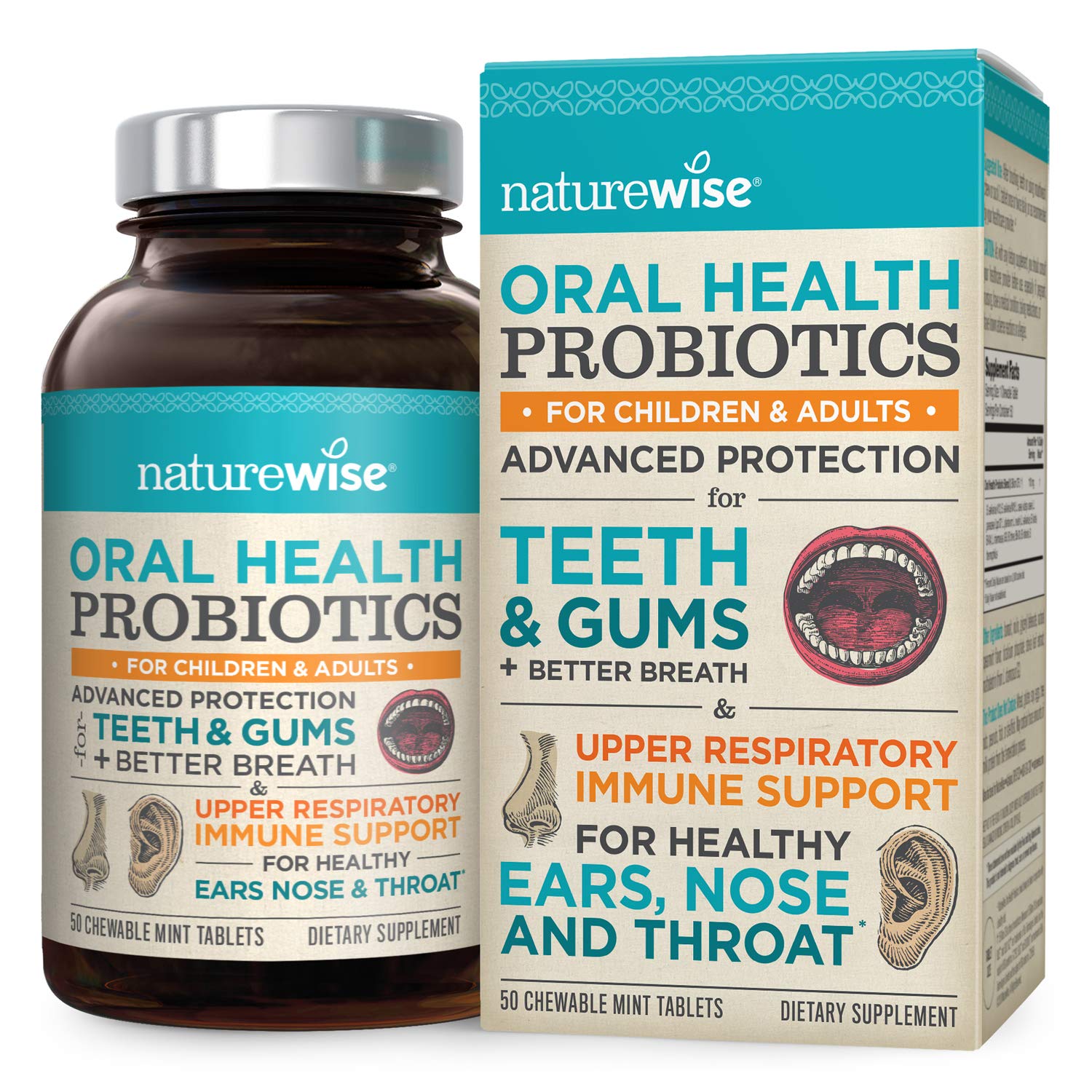
  • Oral probiotic supplements: These are available in various forms, such as chewable tablets, lozenges, or liquids. Look for products that contain strains specifically studied for oral health benefits, such as *Lactobacillus* and *Streptococcus* species. Always check the label for the number of colony-forming units (CFUs) – a higher CFU count generally indicates a more potent product.
  • Probiotic mouthwashes: Some mouthwashes contain probiotics that can help restore the balance of your oral microbiome.
  • Probiotic-containing toothpaste: Similar to mouthwash, some toothpastes are formulated with beneficial bacteria.
  • Maintaining good oral hygiene: Remember that probiotics are just one piece of the puzzle. Brushing and flossing twice a day, and regular dental checkups are essential for optimal gum health. Probiotics are a powerful addition, not a replacement for proper oral hygiene.

Choosing the Right Oral Probiotic

With so many oral probiotic products on the market, choosing the right one can feel overwhelming. Here are a few tips:
  • Look for clinical evidence: Choose products that have been backed by scientific research demonstrating their efficacy in improving gum health.
  • Check the strains: Pay attention to the specific strains of probiotics included in the product. Look for strains that have been shown to be beneficial for oral health.
  • Consider the CFU count: A higher CFU count generally indicates a more potent product.
  • Read reviews: Check online reviews to see what other consumers have to say about the product's effectiveness and taste.
  • Talk to your dentist: Your dentist can provide personalized recommendations based on your individual needs and oral health status.

Frequently Asked Questions

Q: Are oral probiotics safe?

A: Generally, oral probiotics are considered safe for most people. However, some individuals with weakened immune systems or underlying health conditions may need to consult their doctor before using them.

Q: How long does it take to see results?

A: The time it takes to see results can vary depending on the individual and the product used. Some people may notice improvements in their gum health within a few weeks, while others may take longer.

Q: Can oral probiotics replace regular dental visits?

A: No! Oral probiotics are a valuable addition to a comprehensive oral health regimen, but they cannot replace regular dental checkups and cleanings. Regular professional cleanings are crucial for removing plaque and tartar buildup.

Q: Do all probiotics work the same?

A: No. Different strains of probiotics have different effects. Some are more effective at combating specific types of bacteria or reducing inflammation. It's important to choose a product with strains that are specifically studied for oral health benefits.

Q: What if I have a specific gum problem, should I use oral probiotics?

A: While oral probiotics can be beneficial for overall gum health, it's always best to consult your dentist or periodontist before using them if you have a specific gum problem like advanced periodontitis. They can assess your condition and recommend the best course of action.

I hope this information helps you understand the exciting potential of oral probiotics for stronger, healthier gums! Remember, maintaining good oral hygiene practices and regular dental checkups are still essential. But incorporating oral probiotics can provide an extra layer of protection for your smile and overall well-being.
Share:

Struggling with Gum Sensitivity? Here’s How to Find Relief

Struggling with Gum Sensitivity? Here's How to Find Relief

Struggling with Gum Sensitivity? Here's How to Find Relief!

Ow! That sharp, shooting pain when you bite into something cold, hot, sweet, or even just brush your teeth? Yeah, we know that feeling all too well. Gum sensitivity is a super common problem, and it's seriously annoying. But don't worry, you're not alone, and there's definitely hope for relief. This guide will walk you through the causes, solutions, and everything you need to know to conquer those sensitive gums.

Understanding the Root of the Problem: Why are My Gums So Sensitive?

Before we dive into solutions, let's figure out *why* your gums are acting up. Several culprits could be behind that sensitivity:

Receding Gums:

This is a big one. As your gums recede, the roots of your teeth become exposed. The roots lack the protective enamel that covers your teeth, making them incredibly vulnerable to temperature changes, sugary foods, and even just the air. Receding gums can happen due to aggressive brushing, gum disease (gingivitis and periodontitis), genetics, or even hormonal changes.

Gum Disease (Gingivitis and Periodontitis):

Inflammation is the name of the game here. Gingivitis is the early stage of gum disease, marked by redness, swelling, and bleeding gums. If left untreated, it can progress to periodontitis, a more serious infection that damages the tissues and bone supporting your teeth. Both conditions can lead to sensitivity and, if not addressed, potentially tooth loss.

Tooth Decay or Cavities:

Cavities can cause sensitivity by creating tiny openings in your tooth enamel, exposing the dentin (the layer underneath) which contains microscopic tubules connected to the nerve of the tooth. These tubules transmit sensations directly to your nerves, resulting in sharp pains.

Aggressive Brushing or Hard-Bristled Toothbrushes:

We all want sparkling clean teeth, but scrubbing too hard can actually damage your gums and enamel, leading to sensitivity. Think gentle strokes, not a vigorous scrubbing session.

Teeth Grinding (Bruxism):

Grinding your teeth, often done unconsciously at night, can wear down enamel and irritate your gums, making them sensitive.

Certain Foods and Drinks:

Highly acidic foods and drinks like citrus fruits, tomatoes, and soda can erode enamel, increasing sensitivity. Extremely hot or cold foods and drinks can also trigger pain.

Dental Procedures:

Sometimes, sensitivity is a temporary side effect of dental procedures like teeth whitening, fillings, or root canals. This usually subsides after a few days or weeks.

Easing the Aches: Home Remedies and Self-Care

Before you rush to the dentist (which you definitely should if the sensitivity is severe or persistent!), there are some things you can try at home:

Switch to a Soft-Bristled Toothbrush:

This is crucial! A soft brush is gentler on your gums and won't cause further irritation.

Gentle Brushing Technique:

Brush in small, circular motions, rather than aggressive back-and-forth strokes. Focus on gentle cleaning, not power scrubbing.

Desensitizing Toothpaste:

Many toothpastes are specifically formulated to reduce sensitivity. Look for ones containing potassium nitrate or strontium chloride. These ingredients help block the nerve signals that cause pain.

Rinse with Salt Water:

A simple salt water rinse (1/2 teaspoon of salt dissolved in 8 ounces of warm water) can help soothe inflamed gums.

Avoid Irritants:

For a while, try to limit or avoid acidic foods and drinks, extremely hot or cold beverages, and sugary treats. This will give your gums a chance to recover.

Consider a Mouthguard:

If you suspect teeth grinding, a mouthguard (available at most drugstores or from your dentist) can protect your teeth and gums from further damage during sleep.

When to See a Dentist

While home remedies can offer relief for mild sensitivity, it's essential to consult your dentist if:

  • Your sensitivity is severe or persistent.
  • Your gums bleed frequently.
  • You notice receding gums.
  • You experience swelling or pain in your gums.
  • Your teeth are loose.
  • You have a bad taste in your mouth.

Your dentist can accurately diagnose the cause of your sensitivity and recommend the most appropriate treatment. Early intervention is key to preventing more serious problems.

Professional Treatments for Gum Sensitivity

Depending on the cause of your sensitivity, your dentist might suggest various professional treatments, including:

  • Scaling and Root Planing: This deep cleaning procedure removes plaque and tartar buildup beneath the gum line, treating gum disease.
  • Fluoride Treatments: Fluoride strengthens tooth enamel, making your teeth more resistant to sensitivity.
  • Bonding or Fillings: These can repair damaged enamel or exposed roots.
  • Gum Grafts: In cases of severe gum recession, a gum graft can help restore gum tissue.
  • Prescription Mouthwash: Your dentist might prescribe a mouthwash to help control inflammation and infection.

Preventing Future Sensitivity

Once you've gotten your sensitivity under control, take steps to prevent it from returning:

  • Maintain excellent oral hygiene: Brush twice daily with a soft-bristled toothbrush and floss daily.
  • Use a fluoride toothpaste.
  • Visit your dentist regularly for checkups and cleanings.
  • Limit consumption of acidic and sugary foods and drinks.
  • Manage stress (stress can worsen gum health).
  • If you grind your teeth, use a mouthguard.

Frequently Asked Questions

Q: Will my sensitive gums ever get better?

A: In most cases, yes! With proper care and treatment, many people find significant relief from gum sensitivity. The key is identifying the cause and addressing it effectively.

Q: How long does it take for desensitizing toothpaste to work?

A: You should start to notice a difference within a few weeks of consistent use. However, everyone is different, and it might take longer for some people to see full results.

Q: Is gum sensitivity a sign of a serious problem?

A: While often a minor inconvenience, persistent or severe gum sensitivity *can* be a sign of underlying issues like gum disease or tooth decay. It's crucial to see your dentist to rule out anything serious.

Q: Can I use over-the-counter pain relievers for sensitive gums?

A: Over-the-counter pain relievers like ibuprofen can help manage pain temporarily, but they don't address the underlying cause. It's important to see your dentist to determine the root of the problem and receive appropriate treatment.

Q: Are there any long-term consequences of untreated gum sensitivity?

A: Ignoring gum sensitivity can lead to more significant problems, including gum disease, tooth loss, and even impacts on overall health. Early intervention is crucial for preserving your oral health.

Remember, taking care of your gums is just as important as taking care of your teeth! By following these tips and seeking professional help when needed, you can enjoy a healthy, happy, and pain-free smile.

Share:

Simple Steps to Use Baking Soda for Healthy Gums

Simple Steps to Use Baking Soda for Healthy Gums

Unlock a Healthier Smile: Simple Baking Soda Tricks for Your Gums

For generations, baking soda (sodium bicarbonate) has been a household staple, known for its cleaning power and surprising versatility. But beyond its kitchen uses, baking soda offers a surprisingly effective and gentle way to improve gum health. Its mild abrasive properties help remove plaque, while its slightly alkaline nature can help neutralize acids that contribute to gum disease. This article explores simple, effective methods to harness the power of baking soda for a healthier, happier smile.

Understanding the Benefits of Baking Soda for Gums

The secret to baking soda's effectiveness lies in its unique properties. First, its mild abrasiveness gently scrubs away plaque and food particles that accumulate along the gum line. This is crucial because plaque buildup is a primary cause of gingivitis (gum inflammation) and periodontitis (gum disease). Second, baking soda's alkalinity helps neutralize the acids produced by bacteria in your mouth. These acids erode tooth enamel and irritate gum tissue, leading to inflammation and potential gum recession. By neutralizing these acids, baking soda creates a less hostile environment for your gums, promoting healing and preventing further damage. Remember though, while baking soda offers benefits, it shouldn't replace regular dental checkups and professional cleanings.

Safe and Effective Ways to Use Baking Soda for Gum Health

Integrating baking soda into your oral hygiene routine is easy and requires minimal effort. However, it's crucial to use it correctly to avoid potential damage to your teeth and gums. Avoid overusing it, and always prioritize gentle application. Too much abrasion can wear away tooth enamel over time.

The Baking Soda Rinse

A simple baking soda rinse is a gentle yet effective way to improve gum health. Simply mix 1/2 teaspoon of baking soda with 8 ounces of warm water. Swish the solution around your mouth for at least one minute, ensuring it reaches all areas, including the gum line. Spit out the solution and rinse your mouth with plain water. You can perform this rinse once or twice a day, but don't make it a daily habit. Overuse can lead to enamel erosion.

Baking Soda and Toothpaste Combination

Many people incorporate baking soda directly into their regular toothpaste. Start by mixing a small amount (about 1/4 teaspoon) of baking soda with your regular fluoride toothpaste. Brush your teeth as usual, focusing on gentle circular motions. Again, moderation is key; too much baking soda can be abrasive. This method provides a gentle scrubbing action alongside the cleaning power of your regular toothpaste.

Important Considerations and Precautions

While generally safe, using baking soda for gum health requires caution.

  • Don't overuse it: Excessive use can damage tooth enamel.
  • Don't swallow the mixture: Baking soda is not meant for ingestion.
  • Consult your dentist: If you have any underlying gum conditions, consult your dentist before incorporating baking soda into your oral hygiene routine.
  • Monitor for sensitivity: If you experience tooth sensitivity, reduce the frequency of use or discontinue the practice.

By following these simple steps and exercising caution, you can leverage the natural cleaning and neutralizing properties of baking soda to promote healthier gums and a brighter, more confident smile. Remember, maintaining good oral hygiene practices, including regular brushing, flossing, and dental checkups, remains paramount for optimal gum health.

Share:

How to Use Probiotics for Bad Breath Relief and Oral Health

How to Use Probiotics for Bad Breath Relief and Oral Health

Harnessing the Power of Probiotics for Improved Oral Health and Bad Breath Relief

Halitosis, commonly known as bad breath, affects a significant portion of the global population. While often attributed to poor oral hygiene, the etiology of bad breath is multifaceted, encompassing factors ranging from dietary choices to underlying systemic conditions. Recent research has highlighted the potential of probiotics, live microorganisms that confer health benefits when administered in adequate amounts, as a promising adjunct therapy for combating halitosis and enhancing overall oral health. This article explores the mechanisms through which probiotics exert their beneficial effects, reviews the evidence supporting their efficacy, and provides practical guidance on their safe and effective utilization for improved oral health and bad breath relief.

The Microbiome's Role in Oral Health and Halitosis

The human oral cavity harbors a complex and dynamic ecosystem of microorganisms, collectively known as the oral microbiome. This intricate community comprises bacteria, archaea, fungi, and viruses, which interact with each other and the host in a delicate balance. A healthy oral microbiome is characterized by a diverse population of microorganisms, preventing the overgrowth of potentially harmful species. Conversely, dysbiosis, an imbalance in the composition and function of the oral microbiome, is strongly implicated in the pathogenesis of various oral diseases, including periodontal disease and halitosis.

Volatile Sulfur Compounds (VSCs) and Bad Breath

The primary cause of halitosis is the production of volatile sulfur compounds (VSCs), particularly hydrogen sulfide (H2S), methyl mercaptan (CH3SH), and dimethyl sulfide (CH3SCH3), by anaerobic bacteria residing within the oral cavity. These bacteria thrive in oxygen-deprived environments, such as those found beneath the gum line and on the tongue's dorsal surface. The accumulation of these malodorous VSCs leads to unpleasant breath odor.

The Impact of Dysbiosis on Oral Health

Dysbiosis within the oral cavity can disrupt the delicate balance between beneficial and harmful bacteria. An overgrowth of VSC-producing bacteria, often coupled with a reduction in beneficial species, contributes to the development of gingivitis, periodontitis, and ultimately, halitosis. Furthermore, dysbiosis can compromise the integrity of the oral mucosa, increasing susceptibility to infections and exacerbating existing oral conditions.

Probiotics: A Novel Approach to Oral Health Management

Probiotics, defined as "live microorganisms that, when administered in adequate amounts, confer a health benefit on the host," offer a novel strategy for modulating the oral microbiome and improving oral health. Their mechanisms of action in combating halitosis and enhancing oral health are multifaceted and include:

Inhibition of VSC-Producing Bacteria

Certain probiotic strains exhibit antagonistic activity against VSC-producing bacteria. This can involve direct competition for nutrients and adhesion sites, production of antimicrobial substances (such as bacteriocins), and modulation of the local pH, creating an unfavorable environment for the growth of these harmful organisms. Studies have shown a reduction in VSC levels following the administration of specific probiotic strains.

Enhancement of Salivary Flow and Buffering Capacity

Saliva plays a crucial role in maintaining oral hygiene. It acts as a natural cleansing agent, removing food debris and bacteria, and possesses buffering capacity, neutralizing acids produced by bacteria. Some probiotic strains have been shown to stimulate salivary secretion and enhance its buffering capacity, further contributing to the prevention of halitosis and the maintenance of a healthy oral environment.

Strengthening the Oral Mucosa

A healthy oral mucosa provides a physical barrier against the invasion of pathogens. Certain probiotic strains can strengthen the mucosal barrier by enhancing the production of antimicrobial peptides and modulating the immune response, thereby reducing the risk of infections and inflammation.

Modulation of the Immune Response

The immune system plays a critical role in maintaining oral health. Probiotics can modulate the immune response by influencing the balance of pro-inflammatory and anti-inflammatory cytokines. This modulation can help to control inflammation associated with periodontal disease and reduce the severity of halitosis.

Evidence Supporting the Efficacy of Probiotics for Oral Health

Numerous studies have investigated the efficacy of probiotics in improving oral health and reducing halitosis. While the results are not always consistent, a growing body of evidence suggests that certain probiotic strains can effectively reduce VSC levels, improve gingival health, and enhance overall oral hygiene. Many studies have focused on the use of probiotic lozenges, mouthwashes, and dentifrices.

Specific Probiotic Strains and Their Effects

Several probiotic strains have shown promise in clinical trials, including Lactobacillus salivarius, Lactobacillus reuteri, Streptococcus salivarius K12, and Weissella cibaria. These strains have demonstrated efficacy in reducing VSC levels, improving gingival indices, and decreasing plaque accumulation. However, it's crucial to note that the efficacy of a probiotic strain can vary depending on factors such as the specific strain, dosage, formulation, and duration of administration.

Limitations of Current Research

Despite the promising findings, further research is needed to definitively establish the long-term efficacy and safety of probiotics for oral health. Many studies have been relatively small, with limited follow-up periods. Furthermore, standardized methodologies for assessing the effects of probiotics on the oral microbiome are still being developed.

Practical Guidelines for Using Probiotics for Bad Breath Relief and Oral Health

The use of probiotics for oral health should be considered as a complementary approach to conventional oral hygiene practices, not a replacement. To maximize their benefits, it is essential to:

  • Maintain meticulous oral hygiene: This includes regular brushing and flossing, as well as professional dental cleanings.
  • Select appropriate probiotic products: Choose products that contain well-researched strains with documented efficacy for oral health. Look for products that specify the number of colony-forming units (CFUs) per dose.
  • Follow product instructions carefully: Adhere to the recommended dosage and administration instructions provided by the manufacturer.
  • Consult a healthcare professional: Before starting any probiotic regimen, particularly if you have underlying health conditions or are taking medications, consult your dentist or physician.
  • Maintain realistic expectations: Probiotics are not a magic bullet for bad breath or oral health problems. They are most effective when used in conjunction with good oral hygiene and a healthy lifestyle.
  • Consider dietary changes: A balanced diet that includes plenty of fruits, vegetables, and whole grains can contribute to a healthy oral microbiome.
  • Monitor for adverse effects: Although generally safe, some individuals may experience mild gastrointestinal side effects, such as bloating or gas. Discontinue use and consult your physician if any adverse effects occur.

In conclusion, the use of probiotics holds significant promise as a novel and effective approach to combating bad breath and improving overall oral health. While further research is needed to fully elucidate their mechanisms of action and optimal utilization, the existing evidence strongly suggests that specific probiotic strains can contribute to the maintenance of a healthy oral microbiome, reduce VSC production, and enhance the effectiveness of conventional oral hygiene practices. The integration of probiotics into comprehensive oral health strategies has the potential to significantly benefit a large segment of the population suffering from halitosis and other oral health issues. However, responsible use, guided by professional advice, is crucial to ensure both safety and efficacy.

Share:

Best Probiotic Products for Improving Oral Hygiene and Gum Protection

Best Probiotic Products for Improving Oral Hygiene and Gum Protection

Best Probiotic Products for Improving Oral Hygiene and Gum Protection

Maintaining optimal oral hygiene is crucial for overall health and well-being. While diligent brushing and flossing are fundamental, emerging research highlights the significant role of probiotics in enhancing oral health and protecting against gum disease. Probiotics, beneficial bacteria, can modulate the oral microbiome, contributing to a healthier balance and reducing the prevalence of harmful bacteria associated with gingivitis, periodontitis, and other oral pathologies. This article explores the best probiotic products currently available for improving oral hygiene and gum protection, focusing on their mechanisms of action, clinical evidence, and considerations for selection.

Understanding the Oral Microbiome and its Influence on Gum Health

The human mouth harbors a complex and diverse ecosystem of microorganisms, collectively known as the oral microbiome. This intricate community comprises bacteria, fungi, viruses, and archaea, interacting in a dynamic equilibrium. A balanced microbiome is essential for maintaining oral health. However, disruptions to this equilibrium, often triggered by poor hygiene, diet, or systemic factors, can lead to an overgrowth of pathogenic bacteria, contributing to the development of periodontal diseases.

Gingivitis, the initial stage of gum disease, is characterized by inflammation of the gums. If left untreated, it can progress to periodontitis, a more severe form involving bone loss and potential tooth loss. The pathogenic bacteria implicated in these diseases, such as Porphyromonas gingivalis, Tannerella forsythia, and Aggregatibacter actinomycetemcomitans, produce harmful enzymes and toxins that damage gum tissues.

Probiotics offer a promising approach to modulating the oral microbiome and mitigating the detrimental effects of these pathogens. By introducing beneficial bacteria, probiotics can compete with harmful bacteria for resources and space, inhibiting their growth and reducing their virulence. Furthermore, they can produce antimicrobial substances, strengthen the immune response, and promote tissue repair.

Mechanisms of Action of Probiotics in Oral Health

The beneficial effects of probiotics in oral hygiene are multifaceted and involve several mechanisms:

Competition for Adhesion Sites and Nutrients

Probiotic bacteria compete with pathogenic bacteria for binding sites on the tooth surface and mucosal lining. By occupying these sites, they prevent the colonization and proliferation of harmful bacteria.

Production of Antimicrobial Substances

Certain probiotic strains produce bacteriocins and other antimicrobial compounds that inhibit the growth of pathogenic bacteria. These substances can directly kill or impede the growth of harmful microorganisms, contributing to a healthier oral environment.

Modulation of the Immune Response

Probiotics can influence the host's immune response by stimulating the production of cytokines and other immune mediators that contribute to the defense against pathogens. This enhanced immune response helps to control inflammation and prevent the progression of gum disease.

Enhancement of Tissue Repair

Some probiotic strains may promote tissue regeneration and wound healing, facilitating the repair of damaged gum tissues.

Types of Probiotic Products for Oral Hygiene

Several probiotic products are specifically formulated for oral health. These products come in various forms, including:

Probiotic Mouthwashes

Probiotic mouthwashes contain live probiotic bacteria suspended in a liquid base. These mouthwashes are used like traditional mouthwashes, rinsing the mouth for a specified duration before spitting out the solution. The probiotics in the mouthwash directly interact with the oral microbiome.

Probiotic Toothpastes

Probiotic toothpastes incorporate live probiotic strains into the toothpaste formulation. Using these toothpastes during brushing helps deliver probiotics directly to the teeth and gums.

Probiotic Lozenges/Tablets

Probiotic lozenges or tablets contain probiotic strains that are released gradually in the mouth as they dissolve, allowing sustained delivery of probiotics to the oral cavity.

Probiotic Gels and Sprays

These products offer a convenient way to apply probiotics directly to specific areas of the mouth that require attention.

Considerations for Selecting Probiotic Products

When selecting a probiotic product for oral hygiene, consider the following:

  • Strain Specificity: Not all probiotic strains are equally effective for oral health. Look for products containing strains with documented evidence of efficacy in improving oral hygiene and reducing gum disease. Some well-researched strains include Lactobacillus reuteri, Lactobacillus salivarius, and Weissella cibaria.
  • CFU Count: The number of colony-forming units (CFU) indicates the number of live bacteria in the product. Higher CFU counts generally suggest a greater potential for efficacy, although the optimal CFU count may vary depending on the specific strain and product formulation.
  • Formulation: Consider the form of the product (mouthwash, toothpaste, lozenges, etc.) and its suitability for your individual needs and preferences.
  • Stability: Ensure the product is formulated to maintain the viability and stability of the probiotic strains throughout its shelf life.
  • Safety and Quality: Choose products from reputable manufacturers that adhere to strict quality control standards and have undergone safety testing.
  • Clinical Evidence: Look for products supported by clinical studies demonstrating their efficacy in improving oral hygiene parameters.
  • Conclusion

    Probiotic products represent a promising approach to enhance oral hygiene and protect against gum disease. By modulating the oral microbiome, probiotics can help maintain a healthy balance of bacteria, reducing the prevalence of pathogenic species and promoting gum health. When selecting a probiotic product, it is crucial to carefully consider the strain specificity, CFU count, formulation, stability, safety, and supporting clinical evidence. While probiotics can be a valuable addition to a comprehensive oral hygiene regimen, it's important to remember that they are not a replacement for regular brushing, flossing, and professional dental checkups. A holistic approach combining proper oral hygiene practices with the use of well-researched probiotic products offers the most effective strategy for achieving and maintaining optimal oral health.

    Share:

    Clove Oil: A Natural Remedy for Bleeding Gums You Need to Try

    Clove Oil: A Natural Remedy for Bleeding Gums You Need to Try

    Clove Oil: A Natural Remedy for Bleeding Gums You Need to Try

    Bleeding gums, a common symptom often associated with gingivitis and periodontitis, can significantly impact oral health and overall well-being. While conventional treatments exist, many individuals seek natural alternatives to address this issue. Clove oil, derived from the dried flower buds of the Syzygium aromaticum tree, has emerged as a promising natural remedy due to its potent antimicrobial and anti-inflammatory properties. This article delves into the efficacy of clove oil in treating bleeding gums, exploring its mechanisms of action, supporting evidence, usage methods, potential side effects, and important considerations.

    Understanding the Etiology of Bleeding Gums

    Bleeding gums, medically termed gingival bleeding, are primarily a consequence of gum inflammation, a condition often triggered by poor oral hygiene. Gingivitis, the initial stage of gum disease, is characterized by inflamed and swollen gums that easily bleed. This inflammation is a direct response to the bacterial biofilm (plaque) that accumulates on the teeth and gum line. If left untreated, gingivitis can progress to periodontitis, a more severe form of gum disease that involves the destruction of the supporting tissues and bone surrounding the teeth, potentially leading to tooth loss.

    Several factors contribute to the development of bleeding gums, including:

    • Insufficient oral hygiene practices, such as infrequent brushing and flossing.
    • Hormonal changes, particularly during pregnancy or menopause.
    • Certain medical conditions, such as diabetes and leukemia.
    • Genetic predisposition to gum disease.
    • Smoking and tobacco use.
    • Nutritional deficiencies.
    • Medications with side effects that affect gum health.

    Addressing the underlying cause of bleeding gums is crucial for effective treatment. While clove oil can provide symptomatic relief, it should not replace regular dental checkups and professional oral hygiene maintenance.

    Clove Oil: A Comprehensive Overview of its Properties

    Clove oil's therapeutic potential stems from its rich composition of bioactive compounds, most notably eugenol. Eugenol constitutes a significant portion (up to 90%) of clove oil's composition and is responsible for many of its beneficial effects. This potent phenolic compound possesses remarkable antimicrobial, anti-inflammatory, and analgesic properties.

    Antimicrobial Action

    Eugenol exhibits broad-spectrum antimicrobial activity against a wide range of bacteria, fungi, and viruses commonly implicated in oral infections. Its ability to disrupt bacterial cell membranes and inhibit their growth makes it effective in combating the pathogens associated with gingivitis and periodontitis. Numerous studies have demonstrated clove oil's effectiveness in reducing bacterial load in the oral cavity.

    Anti-inflammatory Effects

    Inflammation plays a central role in the pathogenesis of bleeding gums. Eugenol's anti-inflammatory properties help to reduce gum swelling and bleeding by modulating the inflammatory response. It achieves this by inhibiting the production of pro-inflammatory mediators, thereby alleviating the symptoms of gingivitis.

    Analgesic Properties

    Clove oil's analgesic properties provide pain relief, which is particularly beneficial for individuals experiencing discomfort associated with inflamed gums. This pain-relieving effect further enhances its therapeutic value in managing bleeding gums.

    Scientific Evidence Supporting the Use of Clove Oil

    While research on clove oil's efficacy in treating bleeding gums is ongoing, several studies have demonstrated its promising therapeutic potential. Many in vitro studies have confirmed clove oil's potent antimicrobial and anti-inflammatory effects against oral pathogens. Furthermore, preliminary clinical trials have shown encouraging results in reducing gingivitis symptoms, including bleeding gums, when used as a mouth rinse or topical application.

    However, it's crucial to note that the existing research base is limited, and more large-scale, rigorously designed clinical trials are needed to definitively establish clove oil's efficacy and optimal dosage for managing bleeding gums. The results observed in these studies need to be corroborated by larger, more controlled studies to provide definitive conclusions.

    Methods of Using Clove Oil for Bleeding Gums

    Clove oil can be used in several ways to address bleeding gums:

    • Mouth rinse: Dilute a few drops of clove oil in a glass of water and use it as a mouth rinse for 30-60 seconds, then spit it out. Caution: Never swallow clove oil.
    • Topical application: Apply a small amount of diluted clove oil directly to the affected gum area using a cotton swab. Ensure that the oil is properly diluted to avoid irritation.
    • Toothpaste addition: A small amount of clove oil can be added to your regular toothpaste. This is another method to improve oral health. However, it is important to note that it should not substitute for effective brushing and flossing.

    It's imperative to dilute clove oil before application, as undiluted clove oil can cause irritation and burning sensations. A typical dilution ratio is 1-2 drops of clove oil per ounce of water or carrier oil (such as coconut oil).

    Potential Side Effects and Precautions

    While generally safe when used appropriately, clove oil can cause certain side effects in some individuals. These include:

    • Allergic reactions: Individuals allergic to clove or eugenol may experience skin irritation, itching, or swelling. A patch test is recommended before widespread use.
    • Mouth irritation: Undiluted clove oil can cause burning or irritation of the gums and oral mucosa.
    • Gastrointestinal upset: Ingesting clove oil can lead to nausea, vomiting, or diarrhea. Therefore, it’s important to avoid swallowing the oil.
    • Interactions with medications: Clove oil may interact with certain medications, such as blood thinners. Consult your doctor or dentist before using clove oil if you are taking any medications.

    Pregnant and breastfeeding women should consult their healthcare provider before using clove oil. Children should also only use clove oil under the guidance of a dentist or physician.

    Conclusion

    Clove oil presents a promising natural remedy for bleeding gums due to its potent antimicrobial and anti-inflammatory properties. However, it is crucial to use it cautiously, diluting it appropriately to avoid irritation and potential side effects. While preliminary evidence supports its efficacy, more robust clinical trials are needed to fully elucidate its therapeutic potential. Clove oil should be considered a complementary therapy and not a replacement for professional dental care. Regular dental checkups, proper oral hygiene practices, and addressing any underlying medical conditions remain essential for maintaining optimal oral health and preventing the progression of gum disease.

    Share:

    Why You Should Switch to a Soft-Bristle Toothbrush for Sensitive Gums

    Why You Should Switch to a Soft-Bristle Toothbrush for Sensitive Gums

    Say Goodbye to Sensitive Gums: The Case for a Soft-Bristle Toothbrush

    Are your gums constantly irritated? Do you wince every time you brush your teeth? If so, you might be unknowingly harming your gum health with a toothbrush that's too harsh. The solution might be simpler than you think: switching to a soft-bristle toothbrush. This seemingly small change can dramatically improve your oral hygiene experience and contribute to long-term gum health. Let's delve into why a soft-bristle toothbrush should be your new best friend.

    The Damage of Hard Bristles

    Many people believe that a firmer toothbrush is better for cleaning teeth, leading to a more thorough clean. However, this couldn't be further from the truth, especially if you have sensitive gums. Hard-bristled brushes aggressively scrub away plaque, but they also aggressively scrub away the delicate gum tissue. This abrasion leads to several problems. You'll experience immediate discomfort, characterized by bleeding and sensitivity. Over time, however, the consistent damage can lead to gum recession, exposing the sensitive roots of your teeth and increasing your susceptibility to gum disease (gingivitis and periodontitis). This can ultimately result in tooth loss.

    The Gentle Power of Soft Bristles

    Soft-bristle toothbrushes offer a completely different approach to oral hygiene. Their gentle bristles effectively remove plaque and food particles without the aggressive scrubbing action of their harder counterparts. Instead of tearing at your gums, soft bristles caress them, providing a thorough clean while minimizing irritation and trauma. This gentle cleaning is particularly beneficial for individuals with sensitive gums, those prone to bleeding, or those recovering from gum surgery.

    Benefits Beyond Sensitivity

    The advantages of soft-bristles extend beyond simply avoiding gum irritation. Think of it this way: a gentler approach leads to a healthier mouth overall. By avoiding gum damage, you promote better overall gum health, reducing the risk of inflammation and infection. This also prevents the progression of existing gum disease. Additionally, a soft-bristled brush is less likely to damage tooth enamel, preserving the natural strength and integrity of your teeth.

    Choosing and Using Your Soft-Bristle Toothbrush

    Selecting the right soft-bristle toothbrush is crucial. Look for toothbrushes that clearly state "soft" or "extra-soft" on the packaging. Pay attention to the bristle shape and density; you want bristles that are soft yet effective. Consider the handle design for comfortable grip and maneuverability. Remember, proper brushing technique is just as important as the type of toothbrush you use. Use short, gentle strokes, and don't press too hard. Consider employing the Bass technique, angling the bristles at a 45-degree angle towards the gum line. And always remember to replace your toothbrush every three to four months, or sooner if the bristles are frayed.

    Additional Tips for Sensitive Gums

    In addition to switching to a soft-bristle toothbrush, consider these further steps to improve your oral health:

    • Use a fluoride toothpaste designed for sensitive teeth.
    • Consult your dentist for professional cleaning and guidance on managing gum sensitivity.
    • Maintain a healthy diet and lifestyle to support overall gum health.
    • Consider using an electric toothbrush with a soft brush head, as these often offer a more effective yet gentle clean.

    Making the switch to a soft-bristle toothbrush is a small but significant step towards healthier, happier gums. Embrace the gentle approach to oral hygiene and experience the difference it makes.

    Share:

    The Link Between Good Bacteria and Gum Health You Should Know

    The Link Between Good Bacteria and Gum Health You Should Know

    The Link Between Good Bacteria and Gum Health You Should Know

    Hey everyone! Let's talk about something super important for your smile (and overall health!): the amazing connection between the good bacteria in your mouth and the health of your gums. We often hear about the bad bacteria that cause cavities and gum disease, but the good guys are just as crucial, if not more so! Think of it like a tiny ecosystem in your mouth â€" and we want a thriving, balanced one.

    Understanding the Oral Microbiome

    Your mouth isn't just a place for chewing and talking; it's a bustling metropolis of microorganisms! We're talking millions (yes, millions!) of bacteria, fungi, viruses, and archaea â€" all living together in a complex community called the oral microbiome. It's a dynamic environment, constantly changing based on what you eat, drink, and even your stress levels. And believe it or not, most of these microbes are actually beneficial! They're not just passengers; they actively participate in maintaining oral health.

    The Good, the Bad, and the Ugly

    Let's break it down. We have the "good" bacteria, which contribute to a healthy mouth environment. Then, there are the "bad" bacteria, which can cause problems like gingivitis, periodontitis (gum disease), and cavities. And finally, there are the "opportunistic" bacteria, which are usually harmless but can become harmful if the balance is disrupted.

    Think of it like a garden. You want plenty of beneficial plants (good bacteria) to flourish. If you neglect the garden (poor oral hygiene), weeds (bad bacteria) will take over. The key is maintaining a balance â€" a thriving garden, so to speak, where the good bacteria outnumber and outcompete the bad.

    How Good Bacteria Protect Your Gums

    So, how exactly do these tiny heroes protect our gums? It's a multi-pronged defense system:

    • Competition for space and resources: Good bacteria occupy space and utilize nutrients, leaving less for the harmful bacteria to thrive. It's like a crowded apartment building â€" there's just not enough room for everyone!
    • Production of antimicrobial substances: Some beneficial bacteria produce substances that directly inhibit the growth of harmful bacteria. This is like having a built-in security system in your mouth!
    • Strengthening the gum tissue: Certain good bacteria can even strengthen the connection between your gums and teeth, making your gums more resistant to infection. Think of them as tiny construction workers, reinforcing the foundation of your teeth!
    • Modulating the immune response: Good bacteria help regulate the immune response in your mouth, preventing an overreaction that can damage gum tissue. This is like having a well-trained security team that responds appropriately to threats, not overreacting and causing collateral damage.

    Factors that Influence the Oral Microbiome

    Maintaining a healthy balance of good bacteria isn't just about luck; it's about making conscious choices that support this crucial ecosystem. Several factors play a significant role:

    • Diet: A diet rich in fruits, vegetables, and whole grains provides the good bacteria with the nutrients they need to flourish. Processed foods, sugary drinks, and excessive alcohol consumption, on the other hand, can disrupt the balance and favor the growth of harmful bacteria.
    • Oral hygiene: Brushing and flossing are essential for removing food particles and plaque, which provide a breeding ground for harmful bacteria. Regular brushing and flossing help maintain a clean environment where good bacteria can thrive.
    • Stress: Believe it or not, stress can significantly impact your oral microbiome. Chronic stress can alter the balance of bacteria, making you more susceptible to gum disease. Finding healthy ways to manage stress is crucial for oral health.
    • Smoking: Smoking dramatically alters the composition of the oral microbiome, increasing the risk of gum disease and other oral health problems. Quitting smoking is one of the best things you can do for your overall health, including your gums.
    • Medications: Some medications can have side effects that impact the oral microbiome, such as dry mouth which makes it easier for bad bacteria to grow. Talk to your doctor or dentist if you’re concerned.
    • Genetics: While you can’t control your genes, they play a role in determining your susceptibility to gum disease. Knowing your family history can help you be more proactive in maintaining your oral health.

    Boosting Your Good Bacteria: Practical Tips

    You don't need to be a scientist to help your good bacteria thrive! Here are some practical steps you can take:

    • Eat a balanced diet: Focus on whole, unprocessed foods. Fruits, vegetables, and whole grains are your friends!
    • Practice excellent oral hygiene: Brush twice a day, floss daily, and use a fluoride mouthwash.
    • Manage stress: Find healthy ways to cope with stress, such as exercise, yoga, or meditation.
    • Consider probiotics: While research is still ongoing, some studies suggest that probiotics (live bacteria) might help improve oral health. Talk to your dentist before adding probiotics to your routine.
    • See your dentist regularly: Regular checkups and professional cleanings are essential for maintaining a healthy oral microbiome.

    Frequently Asked Questions

    Q: Can I take probiotics to improve my gum health?

    A: While some studies suggest probiotics may be beneficial, more research is needed. Talk to your dentist before starting any probiotic supplement, as they can interact with other medications or have potential side effects.

    Q: How often should I see my dentist for gum health?

    A: Most dentists recommend professional cleanings every six months, but this can vary depending on your individual needs.

    Q: Is it possible to completely eliminate bad bacteria from my mouth?

    A: No, it's not possible or even desirable to eliminate all bad bacteria. The goal is to maintain a healthy balance, where the good bacteria outnumber and outcompete the harmful ones.

    Q: My gums bleed when I brush. Is this normal?

    A: Bleeding gums are not normal and often indicate gingivitis. See your dentist immediately!

    Q: What are the signs of gum disease?

    A: Signs of gum disease include bleeding gums, red or swollen gums, gums that pull away from the teeth, persistent bad breath, and loose teeth. If you experience any of these symptoms, schedule an appointment with your dentist.

    Taking care of your oral microbiome is an investment in your overall health. By understanding the role of good bacteria and making conscious choices to support their growth, you can significantly improve your gum health and maintain a beautiful, healthy smile for years to come!

    Share:

    Where to Buy Purple Carrots for Their Unique Taste and Benefits

    Where to Buy Purple Carrots for Their Unique Taste and Benefits

    Unearthing the Purple Carrot: Where to Find This Vibrant Veggie and Its Unique Perks

    Forget the ordinary orange carrot; prepare to be captivated by its vibrant purple cousin! These aren't just a pretty face; purple carrots boast a distinctly earthy, slightly sweet flavor profile, packed with antioxidants and boasting potential health benefits that outshine their orange counterparts. But where can you find these culinary gems? Let's explore the best avenues to discover and enjoy this unique root vegetable.

    Farmers' Markets: Your Best Bet for Freshness and Variety

    Farmers' markets consistently represent the most reliable source for high-quality, locally-grown purple carrots. You'll encounter a wider range of varieties here, possibly even heirloom types you won't find in supermarkets. Talking directly to the farmers allows you to learn about their growing practices and ask questions about specific cultivars. This personal connection ensures you receive the freshest, most flavorful carrots available. Look for farmers who emphasize sustainable and organic farming methods; you'll often find their produce to be superior in both taste and nutritional value. Don't hesitate to sample a raw slice if offered â€" the taste will instantly sell you on the unique flavor experience.

    Specialty Grocery Stores and Health Food Shops

    While not as common as orange carrots, many specialty grocery stores and health food shops are increasingly stocking purple carrots, recognizing the growing consumer demand for unique and nutritious produce. These stores often focus on sourcing high-quality, often organic products, reflecting a commitment to providing customers with the best selection available. Check the produce sections carefully; they might be tucked away with other specialty items. Don't be afraid to ask store staff for assistance; they are usually well-informed about their inventory and can point you in the right direction.

    Online Retailers: Convenience at Your Fingertips

    For those who prefer the convenience of online shopping, several retailers specialize in delivering fresh produce directly to your doorstep. These online marketplaces often feature a wider variety of produce than traditional supermarkets, including purple carrots. However, ensure you carefully review the seller's reputation and customer reviews before placing an order to ensure you receive high-quality, fresh produce that meets your expectations. Consider the shipping method and ensure the carrots will arrive in optimal condition. Many online vendors offer a money-back guarantee if the produce is unsatisfactory.

    Growing Your Own: A Rewarding Culinary Adventure

    For the truly adventurous, growing your own purple carrots presents a rewarding experience. It allows for total control over growing conditions and guarantees the freshest, most flavorful carrots possible. Start by choosing a suitable carrot variety from a reputable seed supplier; many online retailers and garden centers offer a selection of purple carrot seeds. Remember to select a location with well-drained soil and plenty of sunlight. With proper care and attention, you'll be harvesting your own vibrant purple carrots in no time, enjoying the unique flavors and health benefits of homegrown produce.

    Benefits of Purple Carrots

    Beyond their striking color, purple carrots offer numerous benefits:

    • Rich in antioxidants: They contain anthocyanins, powerful antioxidants linked to reduced inflammation and disease risk.
    • Improved eye health: Anthocyanins contribute to improved vision and protection against age-related macular degeneration.
    • Enhanced immune system: The high vitamin content boosts the immune system and overall well-being.
    • Unique flavor profile: Their earthy sweetness adds a distinctive touch to various dishes.

    So, embark on your purple carrot journey today! Whether you choose the convenience of a local store, the personal touch of a farmers' market, or the rewarding challenge of home-growing, you're guaranteed a flavorful and healthy experience.

    Share:

    How to Treat Gingivitis with Natural Ingredients

    How to Treat Gingivitis with Natural Ingredients

    Conquering Gingivitis Naturally: A Holistic Approach to Gum Health

    Gingivitis, the early stage of gum disease, is characterized by inflamed, swollen gums that often bleed easily. While professional dental care is crucial for managing gum disease, many natural remedies can complement your dentist's recommendations and promote healthier gums. This article explores effective natural approaches to combat gingivitis, empowering you to take control of your oral hygiene.

    Harnessing the Power of Nature's Remedies

    Several natural ingredients possess anti-inflammatory and antibacterial properties beneficial for soothing inflamed gums and fighting the bacteria that contribute to gingivitis. These remedies work best when integrated into a comprehensive oral hygiene routine that includes regular brushing and flossing. Remember, while these methods can be very helpful, they are not a replacement for professional dental care. Always consult your dentist for diagnosis and treatment plans.

    The Soothing Magic of Saltwater Rinses

    A simple yet surprisingly effective remedy is a saltwater rinse. Salt's antibacterial properties help kill bacteria while its ability to draw out fluid reduces swelling and inflammation. To prepare, dissolve ½ to ¾ teaspoon of salt in a glass of warm water. Swish the solution around your mouth for at least 30 seconds, twice daily, especially after meals. The salt's granular texture can also gently scrub away plaque build-up, contributing to cleaner teeth and healthier gums. Be mindful not to swallow the saltwater.

    The Antibacterial Benefits of Tea Tree Oil

    Tea tree oil, renowned for its antibacterial and antifungal properties, shows promise in fighting the bacteria responsible for gingivitis. However, it's crucial to dilute tea tree oil significantly before using it in your mouth because undiluted tea tree oil can be irritating and even toxic when ingested. Mix a single drop of tea tree oil into a small amount of carrier oil (such as coconut oil) and apply a tiny amount directly to the affected gum line using a clean cotton swab. Do not swallow the mixture. This method should be used sparingly and only after consulting your dentist or doctor.

    The Anti-Inflammatory Properties of Aloe Vera

    Aloe vera's soothing and anti-inflammatory properties make it a popular choice for various skin and gum ailments. The gel extracted from the aloe vera plant can help reduce inflammation and promote healing. Gently massage a small amount of pure aloe vera gel onto your gums after brushing and flossing. Look for products specifically designed for oral use to ensure purity and safety. Similar to tea tree oil, use it sparingly and observe for any adverse reactions.

    Lifestyle Changes for Optimal Gum Health

    Beyond natural remedies, lifestyle changes play a pivotal role in preventing and treating gingivitis. A holistic approach yields the best results.

    Prioritizing Oral Hygiene

    The cornerstone of gum health is diligent oral hygiene. This means brushing your teeth twice daily for at least two minutes each time with a fluoride toothpaste, and flossing at least once a day to remove plaque and food particles from between your teeth. Consider using an interdental brush for better cleaning between teeth, especially those crowded together.

    Dietary Considerations

    A balanced diet rich in fruits, vegetables, and whole grains supports overall health, including oral health. Limit your intake of sugary foods and drinks as they feed the bacteria that contribute to gingivitis. Drinking plenty of water helps keep your mouth hydrated and washes away food particles and bacteria.

    Quitting Smoking

    Smoking significantly increases the risk of gum disease, making it more difficult to treat. If you smoke, quitting is crucial for improving your gum health and overall well-being. Your dentist can provide guidance and resources to help you quit.

    Remember, while natural remedies can be a valuable addition to your gum health routine, they are not a substitute for professional dental care. Regular dental check-ups and cleanings are essential for maintaining healthy gums and preventing more serious gum disease.

    Share:

    Simple Steps to Freshen Your Breath Naturally

    Simple Steps to Freshen Your Breath Naturally

    Naturally Freshening Your Breath: A Comprehensive Guide

    Halitosis, or bad breath, is a prevalent concern affecting individuals of all ages. While numerous commercial products promise a quick fix, a holistic approach focusing on natural methods offers long-term benefits and avoids potential side effects associated with chemical-laden mouthwashes and sprays. This comprehensive guide outlines simple yet effective strategies to naturally freshen your breath, promoting oral hygiene and overall well-being.

    Understanding the Root Causes of Bad Breath

    Before delving into solutions, understanding the underlying causes of halitosis is crucial. Persistent bad breath is rarely a superficial issue; it often stems from a combination of factors, demanding a multi-pronged approach to effective treatment.

    Oral Hygiene Practices

    Improper oral hygiene is the most common culprit. Food particles trapped between teeth and along the gum line decompose, producing volatile sulfur compounds (VSCs), the primary cause of bad breath. Bacteria thrive in this environment, further exacerbating the problem. Insufficient brushing and flossing allow bacterial colonies to flourish, leading to persistent unpleasant odors.

    Dietary Factors

    Certain foods contribute significantly to bad breath. Foods rich in sulfur-containing compounds, such as garlic, onions, and certain dairy products, release odorous gases that are easily detectable on the breath. Highly processed foods, sugary snacks, and drinks can also contribute to the problem by feeding the bacteria in the mouth. A balanced diet rich in fruits and vegetables is essential for maintaining a healthy oral microbiome.

    Medical Conditions

    In some cases, persistent bad breath might signal an underlying medical condition. Dry mouth (xerostomia), often a side effect of medication or certain medical conditions, creates an environment conducive to bacterial growth. Chronic sinus infections, respiratory diseases, and gastrointestinal problems can also manifest as bad breath. It is crucial to consult a physician or dentist to rule out any underlying medical concerns if bad breath persists despite diligent oral hygiene practices.

    Tobacco Use

    Smoking and chewing tobacco significantly contribute to bad breath. Tobacco products not only leave a lingering odor but also irritate the gums and increase the risk of gum disease, further contributing to halitosis. Quitting tobacco is paramount for improving oral health and achieving long-lasting breath freshness.

    Natural Strategies for Breath Freshening

    Adopting a holistic approach encompassing lifestyle changes and natural remedies offers a sustainable solution for fresher breath. These strategies, combined with diligent oral hygiene, can significantly improve breath quality.

    Thorough Oral Hygiene

    Brushing and flossing remain the cornerstones of oral hygiene. Brush your teeth for at least two minutes, twice daily, using fluoride toothpaste. Pay meticulous attention to the gum line, ensuring you remove all food particles. Flossing at least once a day is equally important, as it reaches areas inaccessible to a toothbrush.

    Tongue Cleaning

    The tongue harbors a significant amount of bacteria. Using a tongue scraper gently removes the bacterial biofilm from the tongue's surface. This simple practice contributes significantly to fresher breath. If a tongue scraper is unavailable, gently brushing the tongue with a toothbrush can also be effective.

    Hydration

    Drinking plenty of water helps rinse away food particles and bacteria from the mouth. Dehydration leads to dry mouth, which exacerbates bad breath. Aim for at least eight glasses of water per day. Chewing sugar-free gum or sucking on sugar-free hard candies can also stimulate saliva production, helping to keep your mouth moist.

    Dietary Adjustments

    Minimizing consumption of odor-causing foods such as garlic, onions, and strong cheeses is advisable. While eliminating these foods entirely might be impractical, moderation is key. Incorporating foods rich in antioxidants, such as fruits and vegetables, can promote overall oral health and contribute to fresher breath.

    Herbal Remedies

    Several herbs possess natural antibacterial and breath-freshening properties. Rinsing your mouth with herbal teas, such as peppermint or chamomile tea, can help neutralize odors and combat bacteria. Chewing on parsley leaves after meals has a long-standing tradition as a natural breath freshener.

    Probiotics

    Maintaining a healthy balance of bacteria in the mouth is crucial. Probiotics, beneficial bacteria found in certain foods and supplements, can help restore this balance. Foods like yogurt containing live and active cultures can promote a healthier oral microbiome, leading to improved breath freshness.

    Addressing Underlying Medical Conditions

    If bad breath persists despite meticulous oral hygiene and lifestyle changes, it is crucial to consult a healthcare professional. Underlying medical conditions such as dry mouth, sinus infections, or gastrointestinal problems could be contributing factors. Seeking professional diagnosis and treatment is essential to address any underlying issues.

    Maintaining Long-Term Breath Freshness

    Sustaining fresh breath requires a consistent and proactive approach. The strategies outlined above should be integrated into a daily routine to achieve long-term results. Regular dental checkups and professional cleanings are also essential for maintaining optimal oral health and preventing potential problems that can lead to bad breath.

    In conclusion, achieving naturally fresh breath is achievable through a combination of diligent oral hygiene, dietary modifications, and the incorporation of natural remedies. By adopting a holistic approach, individuals can significantly improve their breath quality, boosting confidence and overall well-being. Remember, consistency is key to maintaining long-term results.

    Share:

    Followers

    Search This Blog

    Powered by Blogger.

    Blog Archive

    Recent Posts

    Theme Support