Learn the best practices for caring for your teeth and gums, from brushing to diet, to help maintain optimal oral health every day.

Clove Oil: A Natural Remedy for Bleeding Gums You Need to Try

Clove Oil: A Natural Remedy for Bleeding Gums You Need to Try

Clove Oil: A Natural Remedy for Bleeding Gums You Need to Try

Bleeding gums, a common symptom often associated with gingivitis and periodontitis, can significantly impact oral health and overall well-being. While conventional treatments exist, many individuals seek natural alternatives to address this issue. Clove oil, derived from the dried flower buds of the Syzygium aromaticum tree, has emerged as a promising natural remedy due to its potent antimicrobial and anti-inflammatory properties. This article delves into the efficacy of clove oil in treating bleeding gums, exploring its mechanisms of action, supporting evidence, usage methods, potential side effects, and important considerations.

Understanding the Etiology of Bleeding Gums

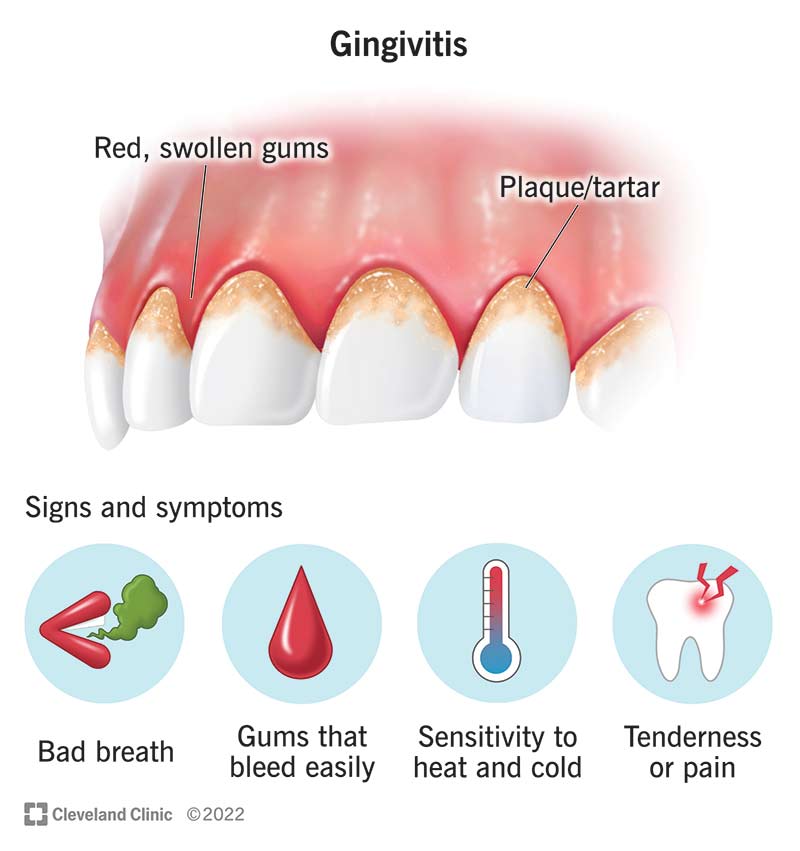
Bleeding gums, medically termed gingival bleeding, are primarily a consequence of gum inflammation, a condition often triggered by poor oral hygiene. Gingivitis, the initial stage of gum disease, is characterized by inflamed and swollen gums that easily bleed. This inflammation is a direct response to the bacterial biofilm (plaque) that accumulates on the teeth and gum line. If left untreated, gingivitis can progress to periodontitis, a more severe form of gum disease that involves the destruction of the supporting tissues and bone surrounding the teeth, potentially leading to tooth loss.

Several factors contribute to the development of bleeding gums, including:

  • Insufficient oral hygiene practices, such as infrequent brushing and flossing.
  • Hormonal changes, particularly during pregnancy or menopause.
  • Certain medical conditions, such as diabetes and leukemia.
  • Genetic predisposition to gum disease.
  • Smoking and tobacco use.
  • Nutritional deficiencies.
  • Medications with side effects that affect gum health.

Addressing the underlying cause of bleeding gums is crucial for effective treatment. While clove oil can provide symptomatic relief, it should not replace regular dental checkups and professional oral hygiene maintenance.

Clove Oil: A Comprehensive Overview of its Properties

Clove oil's therapeutic potential stems from its rich composition of bioactive compounds, most notably eugenol. Eugenol constitutes a significant portion (up to 90%) of clove oil's composition and is responsible for many of its beneficial effects. This potent phenolic compound possesses remarkable antimicrobial, anti-inflammatory, and analgesic properties.

Antimicrobial Action

Eugenol exhibits broad-spectrum antimicrobial activity against a wide range of bacteria, fungi, and viruses commonly implicated in oral infections. Its ability to disrupt bacterial cell membranes and inhibit their growth makes it effective in combating the pathogens associated with gingivitis and periodontitis. Numerous studies have demonstrated clove oil's effectiveness in reducing bacterial load in the oral cavity.

Anti-inflammatory Effects

Inflammation plays a central role in the pathogenesis of bleeding gums. Eugenol's anti-inflammatory properties help to reduce gum swelling and bleeding by modulating the inflammatory response. It achieves this by inhibiting the production of pro-inflammatory mediators, thereby alleviating the symptoms of gingivitis.

Analgesic Properties

Clove oil's analgesic properties provide pain relief, which is particularly beneficial for individuals experiencing discomfort associated with inflamed gums. This pain-relieving effect further enhances its therapeutic value in managing bleeding gums.

Scientific Evidence Supporting the Use of Clove Oil

While research on clove oil's efficacy in treating bleeding gums is ongoing, several studies have demonstrated its promising therapeutic potential. Many in vitro studies have confirmed clove oil's potent antimicrobial and anti-inflammatory effects against oral pathogens. Furthermore, preliminary clinical trials have shown encouraging results in reducing gingivitis symptoms, including bleeding gums, when used as a mouth rinse or topical application.

However, it's crucial to note that the existing research base is limited, and more large-scale, rigorously designed clinical trials are needed to definitively establish clove oil's efficacy and optimal dosage for managing bleeding gums. The results observed in these studies need to be corroborated by larger, more controlled studies to provide definitive conclusions.

Methods of Using Clove Oil for Bleeding Gums

Clove oil can be used in several ways to address bleeding gums:

  • Mouth rinse: Dilute a few drops of clove oil in a glass of water and use it as a mouth rinse for 30-60 seconds, then spit it out. Caution: Never swallow clove oil.
  • Topical application: Apply a small amount of diluted clove oil directly to the affected gum area using a cotton swab. Ensure that the oil is properly diluted to avoid irritation.
  • Toothpaste addition: A small amount of clove oil can be added to your regular toothpaste. This is another method to improve oral health. However, it is important to note that it should not substitute for effective brushing and flossing.

It's imperative to dilute clove oil before application, as undiluted clove oil can cause irritation and burning sensations. A typical dilution ratio is 1-2 drops of clove oil per ounce of water or carrier oil (such as coconut oil).

Potential Side Effects and Precautions

While generally safe when used appropriately, clove oil can cause certain side effects in some individuals. These include:

  • Allergic reactions: Individuals allergic to clove or eugenol may experience skin irritation, itching, or swelling. A patch test is recommended before widespread use.
  • Mouth irritation: Undiluted clove oil can cause burning or irritation of the gums and oral mucosa.
  • Gastrointestinal upset: Ingesting clove oil can lead to nausea, vomiting, or diarrhea. Therefore, it’s important to avoid swallowing the oil.
  • Interactions with medications: Clove oil may interact with certain medications, such as blood thinners. Consult your doctor or dentist before using clove oil if you are taking any medications.

Pregnant and breastfeeding women should consult their healthcare provider before using clove oil. Children should also only use clove oil under the guidance of a dentist or physician.

Conclusion

Clove oil presents a promising natural remedy for bleeding gums due to its potent antimicrobial and anti-inflammatory properties. However, it is crucial to use it cautiously, diluting it appropriately to avoid irritation and potential side effects. While preliminary evidence supports its efficacy, more robust clinical trials are needed to fully elucidate its therapeutic potential. Clove oil should be considered a complementary therapy and not a replacement for professional dental care. Regular dental checkups, proper oral hygiene practices, and addressing any underlying medical conditions remain essential for maintaining optimal oral health and preventing the progression of gum disease.

Share:

Why You Should Switch to a Soft-Bristle Toothbrush for Sensitive Gums

Why You Should Switch to a Soft-Bristle Toothbrush for Sensitive Gums

Say Goodbye to Sensitive Gums: The Case for a Soft-Bristle Toothbrush

Are your gums constantly irritated? Do you wince every time you brush your teeth? If so, you might be unknowingly harming your gum health with a toothbrush that's too harsh. The solution might be simpler than you think: switching to a soft-bristle toothbrush. This seemingly small change can dramatically improve your oral hygiene experience and contribute to long-term gum health. Let's delve into why a soft-bristle toothbrush should be your new best friend.

The Damage of Hard Bristles

Many people believe that a firmer toothbrush is better for cleaning teeth, leading to a more thorough clean. However, this couldn't be further from the truth, especially if you have sensitive gums. Hard-bristled brushes aggressively scrub away plaque, but they also aggressively scrub away the delicate gum tissue. This abrasion leads to several problems. You'll experience immediate discomfort, characterized by bleeding and sensitivity. Over time, however, the consistent damage can lead to gum recession, exposing the sensitive roots of your teeth and increasing your susceptibility to gum disease (gingivitis and periodontitis). This can ultimately result in tooth loss.

The Gentle Power of Soft Bristles

Soft-bristle toothbrushes offer a completely different approach to oral hygiene. Their gentle bristles effectively remove plaque and food particles without the aggressive scrubbing action of their harder counterparts. Instead of tearing at your gums, soft bristles caress them, providing a thorough clean while minimizing irritation and trauma. This gentle cleaning is particularly beneficial for individuals with sensitive gums, those prone to bleeding, or those recovering from gum surgery.

Benefits Beyond Sensitivity

The advantages of soft-bristles extend beyond simply avoiding gum irritation. Think of it this way: a gentler approach leads to a healthier mouth overall. By avoiding gum damage, you promote better overall gum health, reducing the risk of inflammation and infection. This also prevents the progression of existing gum disease. Additionally, a soft-bristled brush is less likely to damage tooth enamel, preserving the natural strength and integrity of your teeth.

Choosing and Using Your Soft-Bristle Toothbrush

Selecting the right soft-bristle toothbrush is crucial. Look for toothbrushes that clearly state "soft" or "extra-soft" on the packaging. Pay attention to the bristle shape and density; you want bristles that are soft yet effective. Consider the handle design for comfortable grip and maneuverability. Remember, proper brushing technique is just as important as the type of toothbrush you use. Use short, gentle strokes, and don't press too hard. Consider employing the Bass technique, angling the bristles at a 45-degree angle towards the gum line. And always remember to replace your toothbrush every three to four months, or sooner if the bristles are frayed.

Additional Tips for Sensitive Gums

In addition to switching to a soft-bristle toothbrush, consider these further steps to improve your oral health:

  • Use a fluoride toothpaste designed for sensitive teeth.
  • Consult your dentist for professional cleaning and guidance on managing gum sensitivity.
  • Maintain a healthy diet and lifestyle to support overall gum health.
  • Consider using an electric toothbrush with a soft brush head, as these often offer a more effective yet gentle clean.

Making the switch to a soft-bristle toothbrush is a small but significant step towards healthier, happier gums. Embrace the gentle approach to oral hygiene and experience the difference it makes.

Share:

The Link Between Good Bacteria and Gum Health You Should Know

The Link Between Good Bacteria and Gum Health You Should Know

The Link Between Good Bacteria and Gum Health You Should Know

Hey everyone! Let's talk about something super important for your smile (and overall health!): the amazing connection between the good bacteria in your mouth and the health of your gums. We often hear about the bad bacteria that cause cavities and gum disease, but the good guys are just as crucial, if not more so! Think of it like a tiny ecosystem in your mouth â€" and we want a thriving, balanced one.

Understanding the Oral Microbiome

Your mouth isn't just a place for chewing and talking; it's a bustling metropolis of microorganisms! We're talking millions (yes, millions!) of bacteria, fungi, viruses, and archaea â€" all living together in a complex community called the oral microbiome. It's a dynamic environment, constantly changing based on what you eat, drink, and even your stress levels. And believe it or not, most of these microbes are actually beneficial! They're not just passengers; they actively participate in maintaining oral health.

The Good, the Bad, and the Ugly

Let's break it down. We have the "good" bacteria, which contribute to a healthy mouth environment. Then, there are the "bad" bacteria, which can cause problems like gingivitis, periodontitis (gum disease), and cavities. And finally, there are the "opportunistic" bacteria, which are usually harmless but can become harmful if the balance is disrupted.

Think of it like a garden. You want plenty of beneficial plants (good bacteria) to flourish. If you neglect the garden (poor oral hygiene), weeds (bad bacteria) will take over. The key is maintaining a balance â€" a thriving garden, so to speak, where the good bacteria outnumber and outcompete the bad.

How Good Bacteria Protect Your Gums

So, how exactly do these tiny heroes protect our gums? It's a multi-pronged defense system:

  • Competition for space and resources: Good bacteria occupy space and utilize nutrients, leaving less for the harmful bacteria to thrive. It's like a crowded apartment building â€" there's just not enough room for everyone!
  • Production of antimicrobial substances: Some beneficial bacteria produce substances that directly inhibit the growth of harmful bacteria. This is like having a built-in security system in your mouth!
  • Strengthening the gum tissue: Certain good bacteria can even strengthen the connection between your gums and teeth, making your gums more resistant to infection. Think of them as tiny construction workers, reinforcing the foundation of your teeth!
  • Modulating the immune response: Good bacteria help regulate the immune response in your mouth, preventing an overreaction that can damage gum tissue. This is like having a well-trained security team that responds appropriately to threats, not overreacting and causing collateral damage.

Factors that Influence the Oral Microbiome

Maintaining a healthy balance of good bacteria isn't just about luck; it's about making conscious choices that support this crucial ecosystem. Several factors play a significant role:

  • Diet: A diet rich in fruits, vegetables, and whole grains provides the good bacteria with the nutrients they need to flourish. Processed foods, sugary drinks, and excessive alcohol consumption, on the other hand, can disrupt the balance and favor the growth of harmful bacteria.
  • Oral hygiene: Brushing and flossing are essential for removing food particles and plaque, which provide a breeding ground for harmful bacteria. Regular brushing and flossing help maintain a clean environment where good bacteria can thrive.
  • Stress: Believe it or not, stress can significantly impact your oral microbiome. Chronic stress can alter the balance of bacteria, making you more susceptible to gum disease. Finding healthy ways to manage stress is crucial for oral health.
  • Smoking: Smoking dramatically alters the composition of the oral microbiome, increasing the risk of gum disease and other oral health problems. Quitting smoking is one of the best things you can do for your overall health, including your gums.
  • Medications: Some medications can have side effects that impact the oral microbiome, such as dry mouth which makes it easier for bad bacteria to grow. Talk to your doctor or dentist if you’re concerned.
  • Genetics: While you can’t control your genes, they play a role in determining your susceptibility to gum disease. Knowing your family history can help you be more proactive in maintaining your oral health.

Boosting Your Good Bacteria: Practical Tips

You don't need to be a scientist to help your good bacteria thrive! Here are some practical steps you can take:

  • Eat a balanced diet: Focus on whole, unprocessed foods. Fruits, vegetables, and whole grains are your friends!
  • Practice excellent oral hygiene: Brush twice a day, floss daily, and use a fluoride mouthwash.
  • Manage stress: Find healthy ways to cope with stress, such as exercise, yoga, or meditation.
  • Consider probiotics: While research is still ongoing, some studies suggest that probiotics (live bacteria) might help improve oral health. Talk to your dentist before adding probiotics to your routine.
  • See your dentist regularly: Regular checkups and professional cleanings are essential for maintaining a healthy oral microbiome.

Frequently Asked Questions

Q: Can I take probiotics to improve my gum health?

A: While some studies suggest probiotics may be beneficial, more research is needed. Talk to your dentist before starting any probiotic supplement, as they can interact with other medications or have potential side effects.

Q: How often should I see my dentist for gum health?

A: Most dentists recommend professional cleanings every six months, but this can vary depending on your individual needs.

Q: Is it possible to completely eliminate bad bacteria from my mouth?

A: No, it's not possible or even desirable to eliminate all bad bacteria. The goal is to maintain a healthy balance, where the good bacteria outnumber and outcompete the harmful ones.

Q: My gums bleed when I brush. Is this normal?

A: Bleeding gums are not normal and often indicate gingivitis. See your dentist immediately!

Q: What are the signs of gum disease?

A: Signs of gum disease include bleeding gums, red or swollen gums, gums that pull away from the teeth, persistent bad breath, and loose teeth. If you experience any of these symptoms, schedule an appointment with your dentist.

Taking care of your oral microbiome is an investment in your overall health. By understanding the role of good bacteria and making conscious choices to support their growth, you can significantly improve your gum health and maintain a beautiful, healthy smile for years to come!

Share:

Where to Buy Purple Carrots for Their Unique Taste and Benefits

Where to Buy Purple Carrots for Their Unique Taste and Benefits

Unearthing the Purple Carrot: Where to Find This Vibrant Veggie and Its Unique Perks

Forget the ordinary orange carrot; prepare to be captivated by its vibrant purple cousin! These aren't just a pretty face; purple carrots boast a distinctly earthy, slightly sweet flavor profile, packed with antioxidants and boasting potential health benefits that outshine their orange counterparts. But where can you find these culinary gems? Let's explore the best avenues to discover and enjoy this unique root vegetable.

Farmers' Markets: Your Best Bet for Freshness and Variety

Farmers' markets consistently represent the most reliable source for high-quality, locally-grown purple carrots. You'll encounter a wider range of varieties here, possibly even heirloom types you won't find in supermarkets. Talking directly to the farmers allows you to learn about their growing practices and ask questions about specific cultivars. This personal connection ensures you receive the freshest, most flavorful carrots available. Look for farmers who emphasize sustainable and organic farming methods; you'll often find their produce to be superior in both taste and nutritional value. Don't hesitate to sample a raw slice if offered â€" the taste will instantly sell you on the unique flavor experience.

Specialty Grocery Stores and Health Food Shops

While not as common as orange carrots, many specialty grocery stores and health food shops are increasingly stocking purple carrots, recognizing the growing consumer demand for unique and nutritious produce. These stores often focus on sourcing high-quality, often organic products, reflecting a commitment to providing customers with the best selection available. Check the produce sections carefully; they might be tucked away with other specialty items. Don't be afraid to ask store staff for assistance; they are usually well-informed about their inventory and can point you in the right direction.

Online Retailers: Convenience at Your Fingertips

For those who prefer the convenience of online shopping, several retailers specialize in delivering fresh produce directly to your doorstep. These online marketplaces often feature a wider variety of produce than traditional supermarkets, including purple carrots. However, ensure you carefully review the seller's reputation and customer reviews before placing an order to ensure you receive high-quality, fresh produce that meets your expectations. Consider the shipping method and ensure the carrots will arrive in optimal condition. Many online vendors offer a money-back guarantee if the produce is unsatisfactory.

Growing Your Own: A Rewarding Culinary Adventure

For the truly adventurous, growing your own purple carrots presents a rewarding experience. It allows for total control over growing conditions and guarantees the freshest, most flavorful carrots possible. Start by choosing a suitable carrot variety from a reputable seed supplier; many online retailers and garden centers offer a selection of purple carrot seeds. Remember to select a location with well-drained soil and plenty of sunlight. With proper care and attention, you'll be harvesting your own vibrant purple carrots in no time, enjoying the unique flavors and health benefits of homegrown produce.

Benefits of Purple Carrots

Beyond their striking color, purple carrots offer numerous benefits:

  • Rich in antioxidants: They contain anthocyanins, powerful antioxidants linked to reduced inflammation and disease risk.
  • Improved eye health: Anthocyanins contribute to improved vision and protection against age-related macular degeneration.
  • Enhanced immune system: The high vitamin content boosts the immune system and overall well-being.
  • Unique flavor profile: Their earthy sweetness adds a distinctive touch to various dishes.

So, embark on your purple carrot journey today! Whether you choose the convenience of a local store, the personal touch of a farmers' market, or the rewarding challenge of home-growing, you're guaranteed a flavorful and healthy experience.

Share:

How to Treat Gingivitis with Natural Ingredients

How to Treat Gingivitis with Natural Ingredients

Conquering Gingivitis Naturally: A Holistic Approach to Gum Health

Gingivitis, the early stage of gum disease, is characterized by inflamed, swollen gums that often bleed easily. While professional dental care is crucial for managing gum disease, many natural remedies can complement your dentist's recommendations and promote healthier gums. This article explores effective natural approaches to combat gingivitis, empowering you to take control of your oral hygiene.

Harnessing the Power of Nature's Remedies

Several natural ingredients possess anti-inflammatory and antibacterial properties beneficial for soothing inflamed gums and fighting the bacteria that contribute to gingivitis. These remedies work best when integrated into a comprehensive oral hygiene routine that includes regular brushing and flossing. Remember, while these methods can be very helpful, they are not a replacement for professional dental care. Always consult your dentist for diagnosis and treatment plans.

The Soothing Magic of Saltwater Rinses

A simple yet surprisingly effective remedy is a saltwater rinse. Salt's antibacterial properties help kill bacteria while its ability to draw out fluid reduces swelling and inflammation. To prepare, dissolve ½ to ¾ teaspoon of salt in a glass of warm water. Swish the solution around your mouth for at least 30 seconds, twice daily, especially after meals. The salt's granular texture can also gently scrub away plaque build-up, contributing to cleaner teeth and healthier gums. Be mindful not to swallow the saltwater.

The Antibacterial Benefits of Tea Tree Oil

Tea tree oil, renowned for its antibacterial and antifungal properties, shows promise in fighting the bacteria responsible for gingivitis. However, it's crucial to dilute tea tree oil significantly before using it in your mouth because undiluted tea tree oil can be irritating and even toxic when ingested. Mix a single drop of tea tree oil into a small amount of carrier oil (such as coconut oil) and apply a tiny amount directly to the affected gum line using a clean cotton swab. Do not swallow the mixture. This method should be used sparingly and only after consulting your dentist or doctor.

The Anti-Inflammatory Properties of Aloe Vera

Aloe vera's soothing and anti-inflammatory properties make it a popular choice for various skin and gum ailments. The gel extracted from the aloe vera plant can help reduce inflammation and promote healing. Gently massage a small amount of pure aloe vera gel onto your gums after brushing and flossing. Look for products specifically designed for oral use to ensure purity and safety. Similar to tea tree oil, use it sparingly and observe for any adverse reactions.

Lifestyle Changes for Optimal Gum Health

Beyond natural remedies, lifestyle changes play a pivotal role in preventing and treating gingivitis. A holistic approach yields the best results.

Prioritizing Oral Hygiene

The cornerstone of gum health is diligent oral hygiene. This means brushing your teeth twice daily for at least two minutes each time with a fluoride toothpaste, and flossing at least once a day to remove plaque and food particles from between your teeth. Consider using an interdental brush for better cleaning between teeth, especially those crowded together.

Dietary Considerations

A balanced diet rich in fruits, vegetables, and whole grains supports overall health, including oral health. Limit your intake of sugary foods and drinks as they feed the bacteria that contribute to gingivitis. Drinking plenty of water helps keep your mouth hydrated and washes away food particles and bacteria.

Quitting Smoking

Smoking significantly increases the risk of gum disease, making it more difficult to treat. If you smoke, quitting is crucial for improving your gum health and overall well-being. Your dentist can provide guidance and resources to help you quit.

Remember, while natural remedies can be a valuable addition to your gum health routine, they are not a substitute for professional dental care. Regular dental check-ups and cleanings are essential for maintaining healthy gums and preventing more serious gum disease.

Share:

Simple Steps to Freshen Your Breath Naturally

Simple Steps to Freshen Your Breath Naturally

Naturally Freshening Your Breath: A Comprehensive Guide

Halitosis, or bad breath, is a prevalent concern affecting individuals of all ages. While numerous commercial products promise a quick fix, a holistic approach focusing on natural methods offers long-term benefits and avoids potential side effects associated with chemical-laden mouthwashes and sprays. This comprehensive guide outlines simple yet effective strategies to naturally freshen your breath, promoting oral hygiene and overall well-being.

Understanding the Root Causes of Bad Breath

Before delving into solutions, understanding the underlying causes of halitosis is crucial. Persistent bad breath is rarely a superficial issue; it often stems from a combination of factors, demanding a multi-pronged approach to effective treatment.

Oral Hygiene Practices

Improper oral hygiene is the most common culprit. Food particles trapped between teeth and along the gum line decompose, producing volatile sulfur compounds (VSCs), the primary cause of bad breath. Bacteria thrive in this environment, further exacerbating the problem. Insufficient brushing and flossing allow bacterial colonies to flourish, leading to persistent unpleasant odors.

Dietary Factors

Certain foods contribute significantly to bad breath. Foods rich in sulfur-containing compounds, such as garlic, onions, and certain dairy products, release odorous gases that are easily detectable on the breath. Highly processed foods, sugary snacks, and drinks can also contribute to the problem by feeding the bacteria in the mouth. A balanced diet rich in fruits and vegetables is essential for maintaining a healthy oral microbiome.

Medical Conditions

In some cases, persistent bad breath might signal an underlying medical condition. Dry mouth (xerostomia), often a side effect of medication or certain medical conditions, creates an environment conducive to bacterial growth. Chronic sinus infections, respiratory diseases, and gastrointestinal problems can also manifest as bad breath. It is crucial to consult a physician or dentist to rule out any underlying medical concerns if bad breath persists despite diligent oral hygiene practices.

Tobacco Use

Smoking and chewing tobacco significantly contribute to bad breath. Tobacco products not only leave a lingering odor but also irritate the gums and increase the risk of gum disease, further contributing to halitosis. Quitting tobacco is paramount for improving oral health and achieving long-lasting breath freshness.

Natural Strategies for Breath Freshening

Adopting a holistic approach encompassing lifestyle changes and natural remedies offers a sustainable solution for fresher breath. These strategies, combined with diligent oral hygiene, can significantly improve breath quality.

Thorough Oral Hygiene

Brushing and flossing remain the cornerstones of oral hygiene. Brush your teeth for at least two minutes, twice daily, using fluoride toothpaste. Pay meticulous attention to the gum line, ensuring you remove all food particles. Flossing at least once a day is equally important, as it reaches areas inaccessible to a toothbrush.

Tongue Cleaning

The tongue harbors a significant amount of bacteria. Using a tongue scraper gently removes the bacterial biofilm from the tongue's surface. This simple practice contributes significantly to fresher breath. If a tongue scraper is unavailable, gently brushing the tongue with a toothbrush can also be effective.

Hydration

Drinking plenty of water helps rinse away food particles and bacteria from the mouth. Dehydration leads to dry mouth, which exacerbates bad breath. Aim for at least eight glasses of water per day. Chewing sugar-free gum or sucking on sugar-free hard candies can also stimulate saliva production, helping to keep your mouth moist.

Dietary Adjustments

Minimizing consumption of odor-causing foods such as garlic, onions, and strong cheeses is advisable. While eliminating these foods entirely might be impractical, moderation is key. Incorporating foods rich in antioxidants, such as fruits and vegetables, can promote overall oral health and contribute to fresher breath.

Herbal Remedies

Several herbs possess natural antibacterial and breath-freshening properties. Rinsing your mouth with herbal teas, such as peppermint or chamomile tea, can help neutralize odors and combat bacteria. Chewing on parsley leaves after meals has a long-standing tradition as a natural breath freshener.

Probiotics

Maintaining a healthy balance of bacteria in the mouth is crucial. Probiotics, beneficial bacteria found in certain foods and supplements, can help restore this balance. Foods like yogurt containing live and active cultures can promote a healthier oral microbiome, leading to improved breath freshness.

Addressing Underlying Medical Conditions

If bad breath persists despite meticulous oral hygiene and lifestyle changes, it is crucial to consult a healthcare professional. Underlying medical conditions such as dry mouth, sinus infections, or gastrointestinal problems could be contributing factors. Seeking professional diagnosis and treatment is essential to address any underlying issues.

Maintaining Long-Term Breath Freshness

Sustaining fresh breath requires a consistent and proactive approach. The strategies outlined above should be integrated into a daily routine to achieve long-term results. Regular dental checkups and professional cleanings are also essential for maintaining optimal oral health and preventing potential problems that can lead to bad breath.

In conclusion, achieving naturally fresh breath is achievable through a combination of diligent oral hygiene, dietary modifications, and the incorporation of natural remedies. By adopting a holistic approach, individuals can significantly improve their breath quality, boosting confidence and overall well-being. Remember, consistency is key to maintaining long-term results.

Share:

The Role of Probiotics in Preventing Gum Disease and Tooth Decay

The Role of Probiotics in Preventing Gum Disease and Tooth Decay

The Role of Probiotics in Preventing Gum Disease and Tooth Decay

For centuries, humans have relied on natural remedies to maintain oral health. Now, modern science is shedding light on the potential of probiotics, beneficial bacteria, as powerful allies in the fight against gum disease (gingivitis and periodontitis) and tooth decay (dental caries). While brushing and flossing remain cornerstones of oral hygiene, research suggests that incorporating probiotics into your routine may offer a significant boost to your overall dental health. This article delves into the fascinating world of probiotics and explores their promising role in preventing these common oral ailments.

Understanding the Oral Microbiome and its Imbalance

Your mouth teems with a complex ecosystem of bacteria â€" the oral microbiome. This community of microorganisms, both beneficial and harmful, constantly interacts, influencing your oral health. A balanced microbiome fosters a healthy mouth. However, disruptions to this delicate balance, often caused by poor oral hygiene, diet, or systemic diseases, can lead to an overgrowth of harmful bacteria. This imbalance, known as dysbiosis, creates an environment ripe for gum disease and tooth decay. Harmful bacteria produce acids that erode tooth enamel, leading to cavities, and inflammatory compounds that attack gum tissues, causing gingivitis and, if left untreated, periodontitis â€" a severe form of gum disease that can lead to tooth loss.

How Probiotics Can Help Restore Balance

Probiotics, often referred to as "good" bacteria, work by competing with harmful bacteria for resources and space within the oral cavity. This competition helps to suppress the growth of pathogens, preventing them from causing damage. Furthermore, some probiotics produce substances that directly inhibit the harmful bacteria or even neutralize their damaging acids. This action helps to maintain a healthy pH level in the mouth, protecting tooth enamel from erosion. The benefits extend beyond simply combating harmful bacteria; some probiotic strains also stimulate the immune system, enhancing the body's natural defense mechanisms against oral infections.

Mechanisms of Action:

The beneficial effects of probiotics on oral health are multifaceted. They achieve this through several mechanisms:

  • Competitive exclusion: Probiotics occupy binding sites on teeth and gums, preventing harmful bacteria from attaching and colonizing.
  • Production of antimicrobial substances: Some probiotic strains produce substances like bacteriocins, which directly kill or inhibit the growth of harmful bacteria.
  • Modulation of the immune response: Probiotics can stimulate the production of antibodies and other immune factors, enhancing the body’s defense against oral infections.
  • pH regulation: Probiotics can help maintain a neutral or slightly alkaline pH in the mouth, reducing the acidity that contributes to tooth decay.

Evidence Supporting the Use of Probiotics in Oral Health

While research is ongoing, a growing body of evidence suggests the effectiveness of probiotics in preventing and treating gum disease and tooth decay. Numerous studies have shown a reduction in plaque formation, gingivitis severity, and periodontal parameters in individuals who incorporated probiotics into their oral hygiene routine. However, it's crucial to understand that the effectiveness varies depending on the specific probiotic strain used, the method of administration (e.g., mouthwash, chewing gum, toothpaste), and the duration of treatment. Further research is needed to establish definitive guidelines and identify the most effective probiotic strains and delivery methods.

Choosing and Using Probiotics for Oral Health

The market offers a wide variety of probiotic products for oral health. It's crucial to choose products that contain strains supported by scientific evidence. Look for products that clearly state the specific probiotic strains included and their concentration. Always consult your dentist or a healthcare professional before starting any new probiotic regimen, particularly if you have underlying health conditions. They can guide you in choosing a suitable product and advise on its safe and effective use. Remember that probiotics are not a replacement for good oral hygiene practices; they are a valuable addition to your existing routine.

In conclusion, while more research is needed to fully understand the potential of probiotics in oral health, the current evidence is promising. Incorporating probiotics into your oral hygiene routine, in conjunction with regular brushing and flossing, could be a powerful strategy to improve and maintain your dental health, reducing your risk of gum disease and tooth decay. Talk to your dentist about the possibility of incorporating probiotics into your oral health strategy for a healthier and brighter smile!

Share:

The Effect of Probiotics on Reducing Cavities and Gum Disease

The Effect of Probiotics on Reducing Cavities and Gum Disease

The Probiotic Promise: Can Friendly Bacteria Fight Cavities and Gum Disease?

For centuries, humans have relied on natural remedies to maintain oral health. Now, a new contender has emerged in the fight against cavities and gum disease: probiotics. These beneficial bacteria, already celebrated for their role in gut health, are increasingly investigated for their potential to improve oral health. But do these microscopic allies truly hold the key to a healthier smile? This article explores the current scientific understanding of probiotics' impact on oral health, examining both the promising research and the limitations of current knowledge. We’ll delve into the mechanisms by which probiotics may work, the types of probiotics showing the most promise, and the critical considerations before incorporating them into your oral hygiene routine.

Understanding the Oral Microbiome and its Imbalance

Our mouths are bustling ecosystems teeming with a diverse array of bacteria, fungi, and viruses. This complex community, known as the oral microbiome, plays a crucial role in both health and disease. A balanced microbiome, characterized by a diverse range of beneficial bacteria, typically maintains oral health. However, an imbalance, often triggered by factors like poor oral hygiene, a high-sugar diet, or smoking, can lead to a dominance of harmful bacteria. This shift in microbial composition can create an environment conducive to the development of dental caries (cavities) and periodontal diseases (gum disease). Harmful bacteria produce acids that erode tooth enamel, leading to cavities, and inflammatory molecules that damage gum tissues, progressing to gingivitis and potentially periodontitis, a serious infection that can lead to tooth loss.

The Role of Probiotics in Oral Health

Probiotics, defined as live microorganisms that confer a health benefit on the host when administered in adequate amounts, offer a potential solution to this microbial imbalance. They work through various mechanisms: Firstly, they can compete with harmful bacteria for resources and space, effectively limiting their growth and preventing colonization. Secondly, some probiotics produce antimicrobial substances that directly inhibit the growth of pathogenic bacteria. Thirdly, certain probiotics can modulate the immune response, reducing inflammation and protecting gum tissues. However, it’s crucial to remember that not all probiotics are created equal, and the effects vary significantly depending on the specific strain of bacteria used.

Promising Probiotic Strains

Several probiotic strains have demonstrated promising results in preclinical and clinical studies. These include, but are not limited to:

  • Lactobacillus rhamnosus
  • Lactobacillus reuteri
  • Streptococcus salivarius K12
  • Weissella cibaria

These strains have shown potential in reducing plaque formation, improving gingival health, and even inhibiting the growth of Streptococcus mutans, a key cavity-causing bacterium. However, more research is needed to confirm these findings and determine the optimal dosage and administration methods.

Current Evidence and Future Directions

While the research on probiotics and oral health is encouraging, it’s still in its relatively early stages. Many studies are small-scale, and results have been inconsistent across different studies. The precise mechanisms of action and the optimal probiotic strains and formulations for treating specific oral conditions still require further investigation. Future research should focus on larger, well-designed clinical trials to establish the efficacy and safety of probiotic interventions for preventing and treating cavities and gum disease. The focus should also be on personalized approaches, tailoring probiotic therapies to the individual's unique oral microbiome composition.

In conclusion, the potential of probiotics to improve oral health is undeniable, but it's vital to approach this topic with a healthy dose of realism. While promising results exist, more research is required before probiotics can be definitively recommended as a primary treatment for cavities or gum disease. They should be considered a complementary approach, used alongside good oral hygiene practices such as regular brushing, flossing, and professional dental cleanings. Always consult with your dentist or a healthcare professional before introducing probiotics into your oral hygiene routine, especially if you have pre-existing health conditions.

Share:

Best Probiotics for Gum Disease Relief and Teeth Whitening Benefits

Best Probiotics for Gum Disease Relief and Teeth Whitening Benefits

Unlocking a Healthier, Brighter Smile: Probiotics for Gum Disease and Teeth Whitening

Hey there! Let's talk about something super important: your smile. We all want healthy gums and pearly white teeth, right? But gum disease (gingivitis and periodontitis) is surprisingly common, and achieving that dazzling smile can sometimes feel like a mission impossible. What if I told you there's a natural, potentially game-changing way to improve both gum health and teeth whiteness? Enter: probiotics!

Before we dive into the specifics, let's clarify something: probiotics aren't a magic bullet. They're not a replacement for regular dental checkups and good oral hygiene. Think of them as a powerful addition to your existing routine, a helpful sidekick in the fight for a healthier mouth.

Understanding the Link Between Oral Health and Probiotics

Your mouth is teeming with bacteria â€" both good and bad. A healthy balance is crucial. When the bad bacteria outnumber the good, problems like gum disease can arise. Gum disease is an inflammation of the gums, and if left untreated, it can lead to serious complications, even tooth loss. That's why maintaining a healthy oral microbiome is so important.

This is where probiotics come in. These beneficial bacteria can help re-establish a balanced oral ecosystem. They do this by:

  • Competing with harmful bacteria for space and resources.
  • Producing substances that inhibit the growth of harmful bacteria.
  • Boosting your immune system's response to oral pathogens.

Now, while probiotics aren't directly responsible for *whitening* your teeth, a healthy mouth is crucial for achieving and maintaining a bright smile. By reducing gum inflammation and improving overall oral health, probiotics can indirectly contribute to a whiter appearance.

Best Probiotic Strains for Oral Health

Not all probiotics are created equal. Some strains are more effective for oral health than others. Research is ongoing, but several strains have shown promise:

The Star Players:

  • Lactobacillus reuteri: This strain has demonstrated significant potential in reducing gingivitis and improving gum health in several studies. It's a strong contender for tackling those pesky gum problems.
  • Lactobacillus rhamnosus: Another beneficial strain, L. rhamnosus, shows promise in supporting a balanced oral microbiome and may contribute to reducing inflammation.
  • Streptococcus salivarius K12: This strain is specifically found in the oral cavity and plays a key role in maintaining a healthy balance of bacteria. It's known to inhibit the growth of harmful bacteria like Streptococcus mutans, which contributes to cavities.

Other Promising Strains:

While the strains above have received the most attention, other probiotics like certain strains of Bifidobacteria and Weissella also show potential benefits for oral health. More research is needed to fully understand their effects.

Important Note: Always check the label to ensure the product contains the specific strains you're looking for, and in adequate amounts. The number of colony-forming units (CFUs) is important - a higher CFU count generally indicates a higher concentration of live bacteria.

Beyond Probiotics: A Holistic Approach to Oral Health

Probiotics are a fantastic tool, but they're just one piece of the puzzle. To truly achieve optimal oral health and a dazzling smile, you need a comprehensive approach:

  • Brush and floss twice a day: This is the cornerstone of good oral hygiene. Use fluoride toothpaste and a soft-bristled toothbrush.
  • Regular dental checkups: See your dentist for regular cleanings and checkups. Early detection and treatment of gum disease are crucial.
  • Healthy diet: Limit sugary and acidic foods and drinks, as they feed harmful bacteria. Increase your intake of fruits and vegetables.
  • Hydration: Drink plenty of water throughout the day to help wash away food particles and bacteria.
  • Quit smoking: Smoking significantly increases the risk of gum disease and other oral health problems.

By combining probiotics with these essential oral hygiene practices, you significantly boost your chances of enjoying a healthier, brighter smile.

Finding the Right Probiotic Supplement

Choosing a probiotic supplement can feel overwhelming. Here are some tips to help you navigate the options:

  • Look for strains with research backing: Prioritize products containing strains like L. reuteri, L. rhamnosus, and S. salivarius K12.
  • Check the CFU count: A higher CFU count typically indicates a higher concentration of live bacteria.
  • Consider the delivery method: Probiotics are available in various forms, including capsules, tablets, powders, and even lozenges. Choose a delivery method that suits your preferences.
  • Read reviews: See what other users have to say about the product's effectiveness and any potential side effects.
  • Consult your dentist or doctor: If you have any questions or concerns, talk to your dentist or doctor before starting a new probiotic supplement, especially if you have any underlying health conditions.

Commonly Asked Questions

Q: How long does it take to see results from using probiotics for gum health?

A: Results vary, but many people notice improvements in their gum health within a few weeks to a few months of consistent use. Remember, consistency is key!

Q: Are there any side effects associated with using oral probiotics?

A: Generally, oral probiotics are considered safe. However, some individuals might experience mild side effects like gas or bloating, especially when they first start taking them. These effects are usually temporary.

Q: Can probiotics whiten my teeth?

A: Probiotics don't directly whiten teeth. However, by improving gum health and reducing inflammation, they can contribute to a brighter smile indirectly. For actual teeth whitening, you might consider professional whitening treatments.

Q: Can I use probiotics along with other teeth whitening products?

A: It's generally safe to use probiotics along with other teeth whitening methods, but it's always best to consult your dentist to ensure there are no potential interactions.

Q: Where can I buy oral probiotics?

A: Oral probiotics are widely available online and at health food stores. Make sure to choose reputable brands and carefully check the labels for the strains and CFU counts.

Remember, a healthy smile is a sign of overall well-being. By incorporating probiotics into your oral care routine and maintaining good hygiene habits, you're taking a proactive step towards a brighter, healthier future for your smile!

Share:

How to Treat Gum Infection and Restore Comfort to Your Smile

How to Treat Gum Infection and Restore Comfort to Your Smile

Treating Gum Infection and Restoring Comfort to Your Smile

Gum disease, or periodontal disease, is a prevalent oral health issue that affects a significant portion of the adult population. Characterized by inflammation and infection of the gums, it can range in severity from mild gingivitis to advanced periodontitis, potentially leading to tooth loss if left untreated. Understanding the causes, symptoms, and treatment options is crucial for maintaining optimal oral health and preventing the debilitating consequences of gum infection. This comprehensive guide explores the various aspects of gum disease management, offering insights into effective treatment strategies and emphasizing the importance of proactive preventative care.

Understanding Gum Disease: Causes and Symptoms

The primary cause of gum disease is the accumulation of plaque, a sticky biofilm composed of bacteria, food particles, and saliva. This plaque adheres to the teeth and gums, irritating the gum tissues and triggering an inflammatory response. If plaque is not adequately removed through consistent brushing and flossing, it hardens into tartar (calculus), which is even more difficult to eliminate. This buildup of tartar further exacerbates inflammation, leading to a progressive deterioration of the gum tissues and supporting structures of the teeth.

Risk Factors for Gum Disease

Several factors increase the risk of developing gum disease. These include:

  • Poor oral hygiene: Inadequate brushing and flossing allow plaque to accumulate.
  • Smoking: Smoking reduces blood flow to the gums, impairing their ability to heal and fight infection.
  • Diabetes: Uncontrolled diabetes weakens the immune system, making individuals more susceptible to infections, including gum disease.
  • Genetic predisposition: Some individuals are genetically predisposed to developing more severe forms of gum disease.
  • Medications: Certain medications, such as those that cause dry mouth, can increase the risk of gum disease.
  • Stress: Chronic stress can weaken the immune system, making individuals more vulnerable to infection.
  • Hormonal changes: Fluctuations in hormone levels, such as those experienced during pregnancy or menopause, can impact gum health.

Recognizing the Signs and Symptoms

Early detection is crucial in managing gum disease effectively. Symptoms of gingivitis, the initial stage, include:

  • Red, swollen, or tender gums: These are indicative of inflammation.
  • Bleeding gums: Bleeding during brushing or flossing is a common early sign.
  • Bad breath (halitosis): Persistent bad breath can be a symptom of underlying gum infection.

As the disease progresses to periodontitis, more severe symptoms may develop:

  • Receding gums: Gums pull away from the teeth, exposing the roots.
  • Loose teeth: Loss of bone support around the teeth can cause them to become loose.
  • Pus formation: Pus may accumulate around the teeth and gums.
  • Persistent bad breath: Bad breath becomes more pronounced.
  • Changes in bite: Changes in the way teeth fit together may occur.

Treatment Options for Gum Infection

Treatment for gum disease varies depending on the severity of the infection. Early-stage gingivitis is often reversible with improved oral hygiene practices. However, more advanced periodontitis requires professional intervention.

Non-Surgical Treatment

For mild to moderate periodontitis, non-surgical treatment is typically employed. This may include:

  • Scaling and root planing (deep cleaning): A professional cleaning procedure to remove plaque and tartar from both above and below the gum line. This helps to eliminate the source of infection and promote healing.
  • Antibiotics: In some cases, antibiotics may be prescribed to control bacterial infection. Systemic antibiotics are taken orally, while local delivery methods, such as antibiotic gels or mouthwashes, target the infection directly.
  • Improved oral hygiene instruction: Dental professionals provide personalized guidance on effective brushing and flossing techniques.

Surgical Treatment

For advanced periodontitis where significant bone loss has occurred, surgical interventions may be necessary. These procedures aim to restore gum health and prevent further tooth loss. Common surgical options include:

  • Flap surgery: The gum tissue is lifted to allow for thorough cleaning and smoothing of the bone.
  • Bone grafting: Bone grafts are used to replace lost bone structure, providing support for the teeth.
  • Guided tissue regeneration: Membranes are placed to encourage the growth of new bone and tissue.
  • Soft tissue grafts: These are used to cover exposed tooth roots and improve the appearance of the gums.

Home Care and Prevention

Maintaining optimal oral hygiene is crucial in preventing and managing gum disease. This involves a combination of regular brushing, flossing, and professional dental cleanings.

Effective Brushing Techniques

Brush your teeth at least twice a day using a soft-bristled toothbrush and fluoride toothpaste. Use gentle, circular motions, paying attention to the gum line. Consider using an electric toothbrush, as studies suggest they can be more effective at plaque removal.

Proper Flossing Techniques

Floss at least once a day to remove plaque and food particles from between your teeth. Use a gentle sawing motion, curving the floss around each tooth.

Regular Dental Checkups

Schedule regular checkups and professional cleanings with your dentist. Early detection and treatment of gum disease are vital in preventing complications.

Restoring Comfort and a Healthy Smile

Treating gum disease not only prevents tooth loss but also significantly improves oral comfort. Once the infection is under control, the pain, bleeding, and sensitivity associated with gum disease will subside. Regular professional cleanings and meticulous home care will help maintain this improved oral health. Patients should actively participate in their treatment, adhering to the dentist's instructions regarding oral hygiene and medication.

Furthermore, restoring a healthy smile often entails addressing any aesthetic concerns resulting from gum disease. Procedures like soft tissue grafting can improve gum line aesthetics and enhance the overall appearance of the smile. The restoration of comfort and confidence that comes with a healthy smile significantly impacts overall well-being.

In conclusion, effective management of gum disease requires a multi-faceted approach involving professional dental care and diligent home oral hygiene practices. By understanding the causes, symptoms, and treatment options, individuals can take proactive steps to maintain optimal oral health and prevent the potentially devastating consequences of gum infection, restoring comfort and confidence to their smiles.

Share:

Followers

Search This Blog

Powered by Blogger.

Blog Archive

Recent Posts

Theme Support