


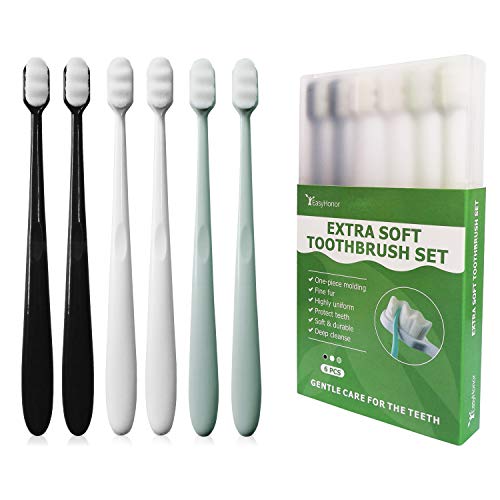
The Gentle Approach: Why Soft-Bristled Toothbrushes are Best for Sensitive Gums
Sensitive gums are a common concern, often leading to discomfort and even bleeding during brushing. The right toothbrush can make a world of difference in managing this sensitivity and maintaining optimal oral health. Choosing a soft-bristled toothbrush is a crucial step towards a gentler, more effective brushing routine. This article will delve into the specific advantages of using a soft-bristled toothbrush for sensitive gums, highlighting why it should be your go-to choice.
Minimizing Gum Irritation and Bleeding
The most immediate benefit of a soft-bristled toothbrush is its ability to minimize gum irritation and bleeding. Hard bristles can be abrasive, scraping away at the delicate gum tissue and causing microscopic tears. This leads to inflammation, sensitivity, and bleedingâ€"a vicious cycle that can make even the simplest task of brushing teeth a painful experience. Soft bristles, on the other hand, gently clean the teeth and gums without causing this damage. They effectively remove plaque and food particles while remaining exceptionally kind to sensitive gums, promoting healing and reducing discomfort.
Protecting Gum Recessions
Gum recession, the process where gums pull back from the teeth, is a serious concern. This exposes the sensitive root surfaces, increasing vulnerability to decay, sensitivity, and potential tooth loss. Aggressive brushing with hard bristles can exacerbate gum recession. Soft-bristled brushes, however, help prevent further recession by minimizing abrasive trauma to the gum line. Their gentle action helps preserve the integrity of the gums, protecting them from further damage and maintaining the health of the surrounding tissues.
Promoting Long-Term Gum Health
Consistent use of a soft-bristled toothbrush contributes significantly to long-term gum health. By reducing irritation and preventing further recession, you create an environment where your gums can thrive. This translates to less sensitivity, less bleeding, and a reduced risk of developing more serious periodontal diseases. The gentler approach allows for effective plaque removal without the negative consequences associated with harsher brushing techniques.
Enhanced Brushing Experience
Beyond the health benefits, switching to a soft-bristled toothbrush also significantly improves the brushing experience. Many individuals with sensitive gums find that brushing becomes a dreaded chore due to the discomfort associated with hard bristles. A soft-bristled brush, however, allows for a more pleasant and less painful experience. This encourages better brushing habits, leading to improved oral hygiene overall. You'll find yourself looking forward to brushing rather than dreading itâ€"a crucial factor in maintaining consistent dental care.
Choosing the Right Brush
When selecting a soft-bristled toothbrush, consider the following:
- Brush head size: Choose a brush head that comfortably fits your mouth.
- Bristle shape: Look for rounded bristles to minimize gum irritation.
- Handle design: A comfortable handle enhances control and improves your brushing technique.
In conclusion, transitioning to a soft-bristled toothbrush offers numerous advantages for individuals with sensitive gums. From reducing immediate discomfort to preventing long-term damage, the benefits are undeniable. Make the switch today and experience the difference a gentle approach can make in your oral health journey. Remember to consult your dentist for personalized recommendations.


No comments:
Post a Comment
Note: Only a member of this blog may post a comment.