


Conquering Gingivitis Naturally: A Holistic Approach to Gum Health
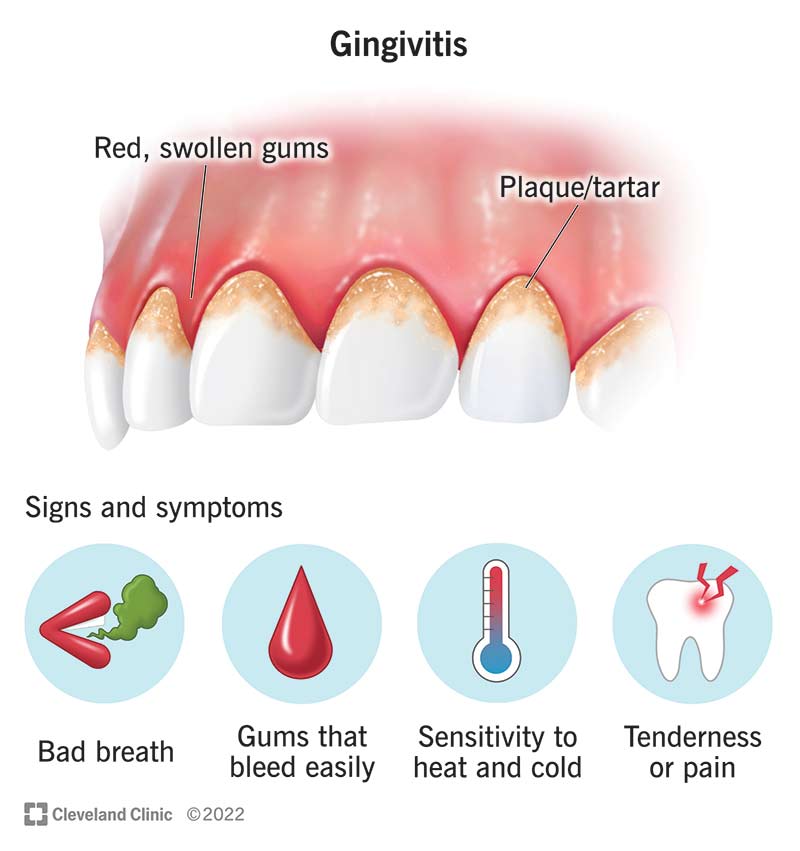
Gingivitis, the early stage of gum disease, is characterized by inflamed, swollen gums that often bleed easily. While professional dental care is crucial for managing gum disease, many natural remedies can complement your dentist's recommendations and promote healthier gums. This article explores effective natural approaches to combat gingivitis, empowering you to take control of your oral hygiene.
Harnessing the Power of Nature's Remedies
Several natural ingredients possess anti-inflammatory and antibacterial properties beneficial for soothing inflamed gums and fighting the bacteria that contribute to gingivitis. These remedies work best when integrated into a comprehensive oral hygiene routine that includes regular brushing and flossing. Remember, while these methods can be very helpful, they are not a replacement for professional dental care. Always consult your dentist for diagnosis and treatment plans.
The Soothing Magic of Saltwater Rinses
A simple yet surprisingly effective remedy is a saltwater rinse. Salt's antibacterial properties help kill bacteria while its ability to draw out fluid reduces swelling and inflammation. To prepare, dissolve ½ to ¾ teaspoon of salt in a glass of warm water. Swish the solution around your mouth for at least 30 seconds, twice daily, especially after meals. The salt's granular texture can also gently scrub away plaque build-up, contributing to cleaner teeth and healthier gums. Be mindful not to swallow the saltwater.
The Antibacterial Benefits of Tea Tree Oil
Tea tree oil, renowned for its antibacterial and antifungal properties, shows promise in fighting the bacteria responsible for gingivitis. However, it's crucial to dilute tea tree oil significantly before using it in your mouth because undiluted tea tree oil can be irritating and even toxic when ingested. Mix a single drop of tea tree oil into a small amount of carrier oil (such as coconut oil) and apply a tiny amount directly to the affected gum line using a clean cotton swab. Do not swallow the mixture. This method should be used sparingly and only after consulting your dentist or doctor.
The Anti-Inflammatory Properties of Aloe Vera
Aloe vera's soothing and anti-inflammatory properties make it a popular choice for various skin and gum ailments. The gel extracted from the aloe vera plant can help reduce inflammation and promote healing. Gently massage a small amount of pure aloe vera gel onto your gums after brushing and flossing. Look for products specifically designed for oral use to ensure purity and safety. Similar to tea tree oil, use it sparingly and observe for any adverse reactions.
Lifestyle Changes for Optimal Gum Health
Beyond natural remedies, lifestyle changes play a pivotal role in preventing and treating gingivitis. A holistic approach yields the best results.
Prioritizing Oral Hygiene
The cornerstone of gum health is diligent oral hygiene. This means brushing your teeth twice daily for at least two minutes each time with a fluoride toothpaste, and flossing at least once a day to remove plaque and food particles from between your teeth. Consider using an interdental brush for better cleaning between teeth, especially those crowded together.
Dietary Considerations
A balanced diet rich in fruits, vegetables, and whole grains supports overall health, including oral health. Limit your intake of sugary foods and drinks as they feed the bacteria that contribute to gingivitis. Drinking plenty of water helps keep your mouth hydrated and washes away food particles and bacteria.
Quitting Smoking
Smoking significantly increases the risk of gum disease, making it more difficult to treat. If you smoke, quitting is crucial for improving your gum health and overall well-being. Your dentist can provide guidance and resources to help you quit.
Remember, while natural remedies can be a valuable addition to your gum health routine, they are not a substitute for professional dental care. Regular dental check-ups and cleanings are essential for maintaining healthy gums and preventing more serious gum disease.


No comments:
Post a Comment
Note: Only a member of this blog may post a comment.