


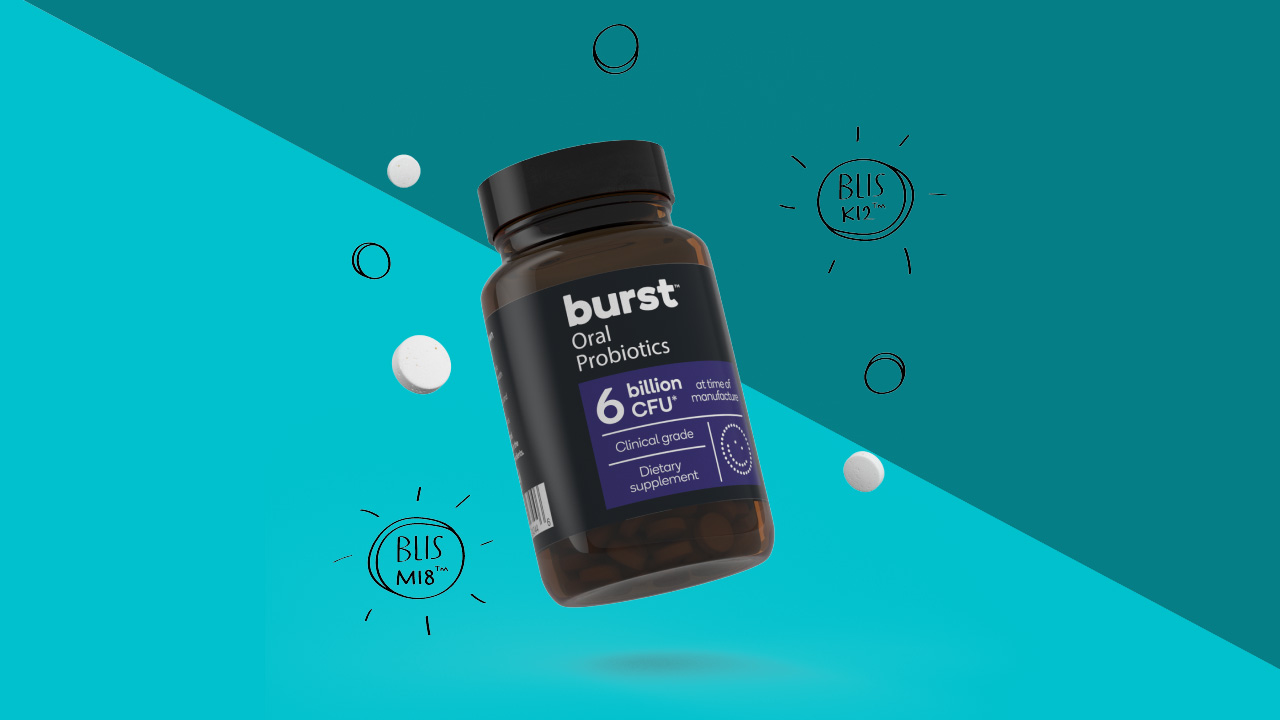
Best Probiotics to Support Healthy Gums and Teeth
Maintaining optimal oral health goes beyond brushing and flossing. Emerging research highlights the crucial role of probiotics, beneficial bacteria that reside in our gut and, increasingly, are recognized for their impact on oral health. These tiny organisms contribute to a balanced oral microbiome, helping to combat harmful bacteria responsible for gum disease and tooth decay. This article explores the best probiotic strains showing promise in supporting healthy gums and teeth, offering insights into their mechanisms of action and how they can be incorporated into your oral care routine.
Understanding the Oral Microbiome and its Connection to Gum Health
Your mouth harbors a complex ecosystem of microorganismsâ€"bacteria, fungi, virusesâ€"collectively known as the oral microbiome. A healthy balance within this ecosystem is vital. When harmful bacteria like Porphyromonas gingivalis (a key player in periodontitis) proliferate, it can disrupt this equilibrium, leading to inflammation, gum disease (gingivitis and periodontitis), and even tooth loss. Probiotics can help restore balance by competing with these harmful bacteria for resources and space, ultimately reducing their detrimental effects. They achieve this through various mechanisms, including the production of antimicrobial substances and the modulation of the immune response within the oral cavity.
Probiotic Strains with Oral Health Benefits
While research is ongoing, several probiotic strains have shown encouraging results in improving oral health. It's important to note that the efficacy of probiotics can vary depending on the specific strain, dosage, and individual factors. Always consult your dentist or healthcare professional before starting any new probiotic regimen.
Lactobacillus Strains
Several Lactobacillus species have demonstrated potential in combating oral pathogens. For example, Lactobacillus rhamnosus GG (LGG) has shown promise in reducing gingivitis symptoms in studies. These strains produce lactic acid, creating an environment less hospitable to harmful bacteria, while simultaneously strengthening the defenses of the oral cavity.
Streptococcus Strains
Streptococcus salivarius K12 is another strain with growing attention in oral health research. This bacterium, a naturally occurring inhabitant of the oral cavity, demonstrates a noteworthy ability to inhibit the growth of pathogenic bacteria responsible for cavities and gum disease. It achieves this through the production of bacteriocins, substances that kill or inhibit the growth of other bacteria.
Weissella Strains
Studies are exploring the potential of Weissella cibaria, a lactic acid-producing bacterium. This strain demonstrates antimicrobial activity against several oral pathogens, suggesting its role in maintaining a healthy oral microbiome. Further research is needed to fully elucidate its benefits, but early findings are promising.
Incorporating Probiotics into Your Oral Health Routine
While probiotic mouthwashes and toothpastes are emerging, the most effective way to incorporate probiotics into your oral health routine often involves consuming probiotic-rich foods or taking probiotic supplements.
Consider these options:
- Include fermented foods like yogurt (especially those with live and active cultures), kefir, sauerkraut, and kimchi in your diet.
- Take a high-quality probiotic supplement containing strains known to benefit oral health. Look for supplements that specifically mention oral health benefits or list the strains discussed above.
- Maintain excellent oral hygiene practicesâ€"brush and floss regularlyâ€"as probiotics are most effective when combined with a comprehensive oral care routine.
Remember, consistency is key. The benefits of probiotics are often seen with sustained use, so incorporating them into your daily routine is essential for long-term oral health improvements.
Disclaimer: This article provides general information and should not be considered medical advice. Consult with your dentist or healthcare professional before starting any probiotic regimen, especially if you have underlying health conditions.


No comments:
Post a Comment
Note: Only a member of this blog may post a comment.